Raymond Weil
0models
6collections
17reviews
Raymond Weil
HighOne of few remaining family-owned Swiss brands; music-inspired identity; value-driven Freelancer and Millesime lines
Geneva, Switzerland · est. 1976
part of Independent (Weil/Bernheim family)
$1,000 – $5,000
My tier · 3
Raymond Weil is one of the last family owned names in Swiss watchmaking, a Geneva house that survived the quartz crisis at birth and built its identity on music rather than mountains or motorsport. For decades it was filed under safe department store luxury. The Millesime line and a GPHG prize have recently forced a reappraisal.
More about Raymond Weil
History
Raymond Weil founded the company in Geneva in 1976, at the age of 50, in the middle of the quartz crisis, when starting a Swiss watch brand looked close to irrational. He bet on elegant design and accessible pricing while giants around him collapsed. Early collections named for operas, such as Amadeus in 1983 and Othello in 1986, established the musical theme that still defines the house.
Olivier Bernheim, who married into the family, joined in 1982 and later ran the company as president. The third generation arrived when grandsons Elie and Pierre Bernheim entered the business, and Elie Bernheim became CEO in 2014. The founder died that same year at 87, having seen the brand pass safely to family hands.
The modern catalog took shape with Parsifal in 1991, the sporty Freelancer in 2007, and the vintage inspired Millesime in 2023. Through all of it the company stayed independent, one of very few Swiss brands of its size never absorbed by a group. That independence is now central to its story.
The Music Identity
Most Swiss brands borrow prestige from aviation, diving, or racing; Raymond Weil chose music. Collection names come from operas and musical terms: Maestro, Toccata, Tango, Nabucco, Don Giovanni. The theme reflects the founder's genuine passion rather than a marketing committee's whiteboard.
The partnerships are real and long running. The brand has served as official timekeeper of the Brit Awards, supported the Buddy Holly Educational Foundation, and issued limited editions honoring The Beatles and David Bowie. In a industry of interchangeable ambassador deals, a consistent cultural lane held for four decades counts as differentiation.
Family Ownership in a Group Dominated Industry
Raymond Weil competes in a price band ruled by conglomerates: Longines and Tissot inside Swatch Group, Frederique Constant inside Citizen. It answers to no group strategy, which lets it move quickly, as the fast rise of Millesime showed. Three generations of one family have run the company from Geneva without outside capital.
The cost of independence is scale. It buys movements rather than building industrial capacity, and its marketing budget cannot match group backed rivals. The RW1212 caliber of 2016, developed with Sellita and showing its balance wheel through the dial, was a statement that the family intends to climb rather than coast.
Millesime and the Enthusiast Turn
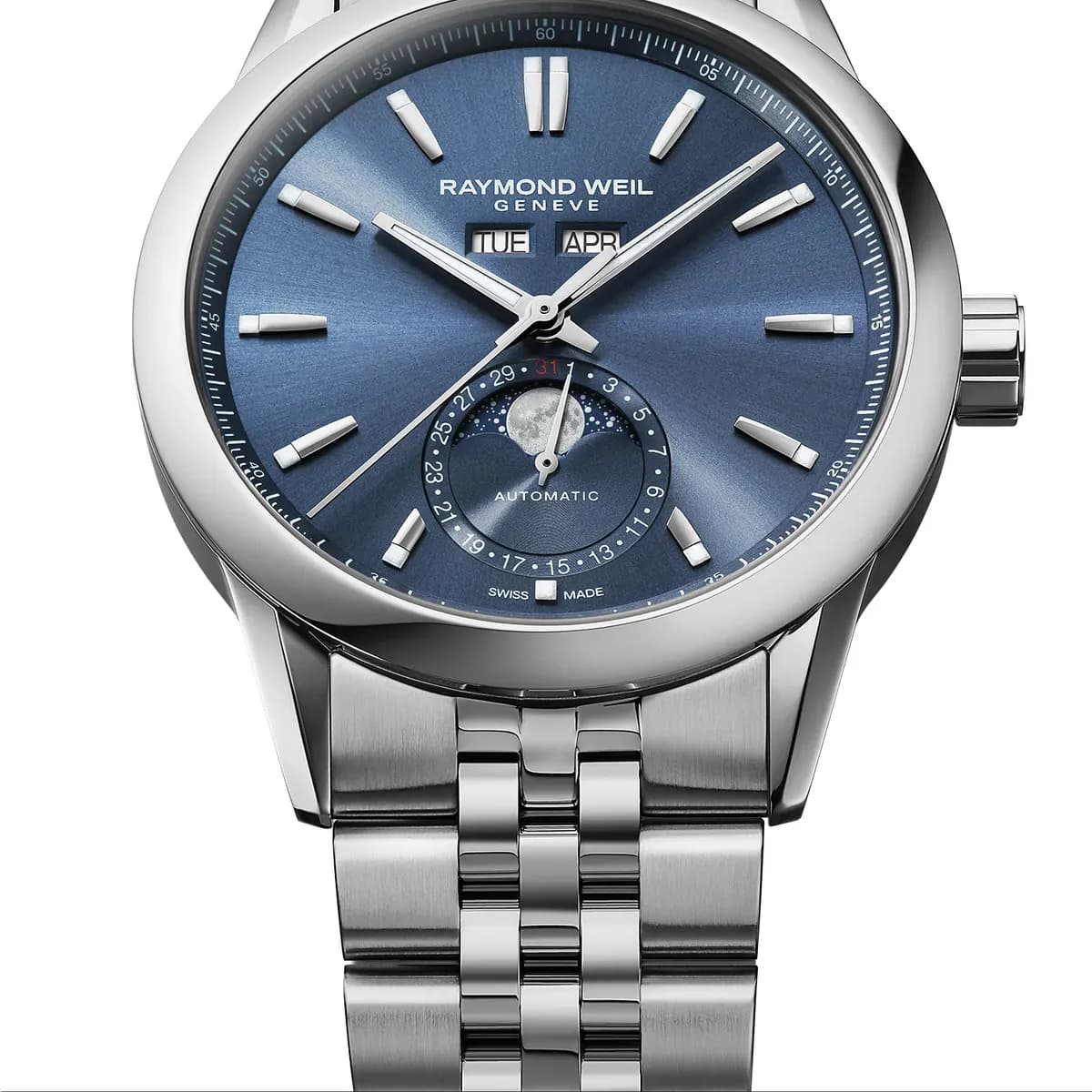
For most of its life the brand sold to gift buyers, not collectors, and enthusiast media largely ignored it. The Millesime, launched in 2023 with a sector dial, dauphine hands, and clean 1940s proportions, changed that overnight. Its Automatic Small Seconds won the Challenge prize at the 2023 GPHG, the industry's closest thing to an Oscar for value watchmaking.
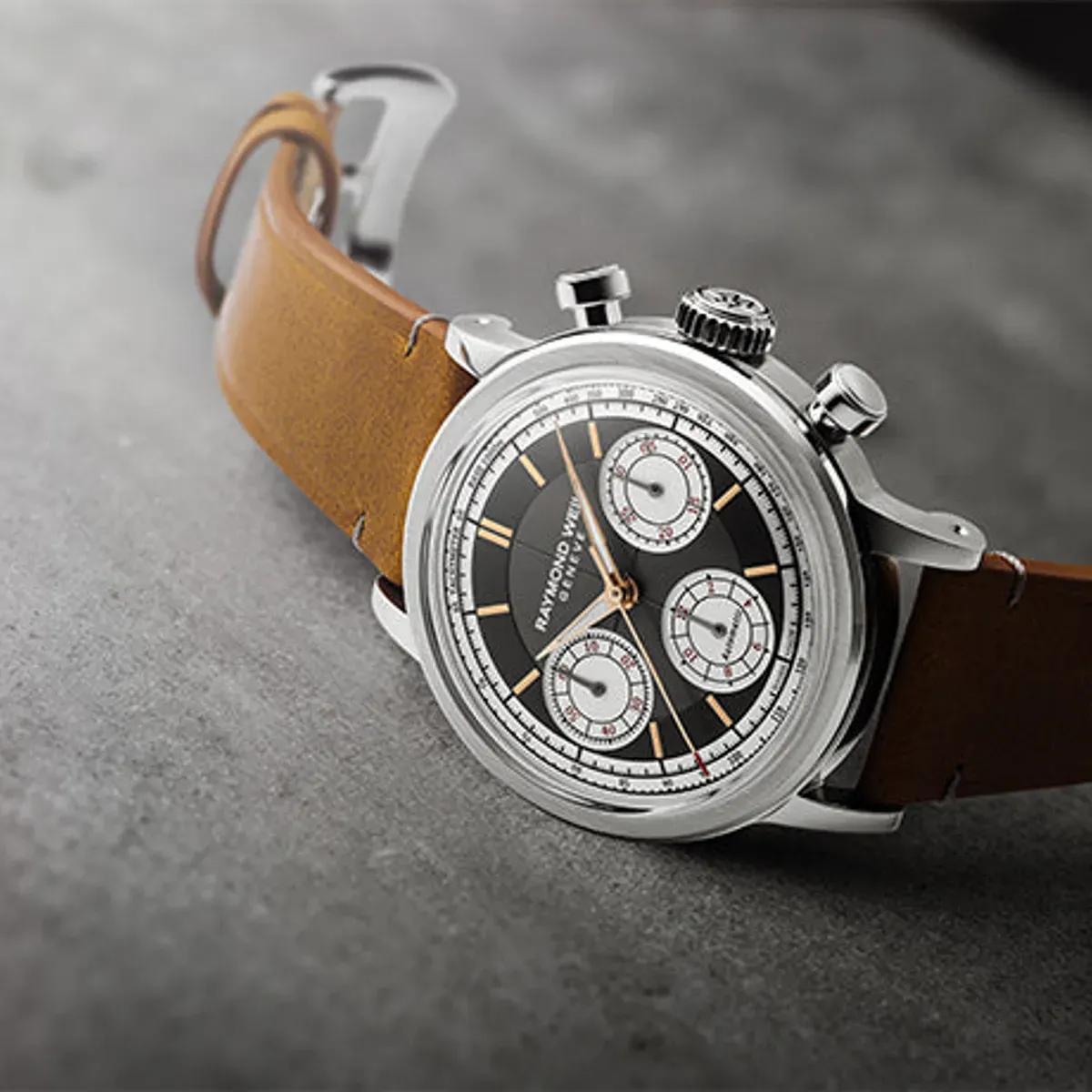
The line expanded quickly with moon phase, tri compax, and smaller sized variants, all priced around 2,000 to 3,000 dollars. Suddenly the safe brand had a watch that forums recommended unprompted. It is the most successful repositioning in the accessible Swiss segment in recent memory.
Model lineup
| Collection | Identity | Highlights |
|---|---|---|
| Millesime | The enthusiast breakthrough | Sector dials, GPHG 2023 Challenge prize, vintage dress proportions |
| Freelancer | The versatile core | Automatics and chronographs, RW1212 open balance dial |
| Maestro | The classic dress line | Moon phases and complications, Beatles and Bowie editions |
| Parsifal | The elevated classic | Two tone flagship styling from 1991 onward |
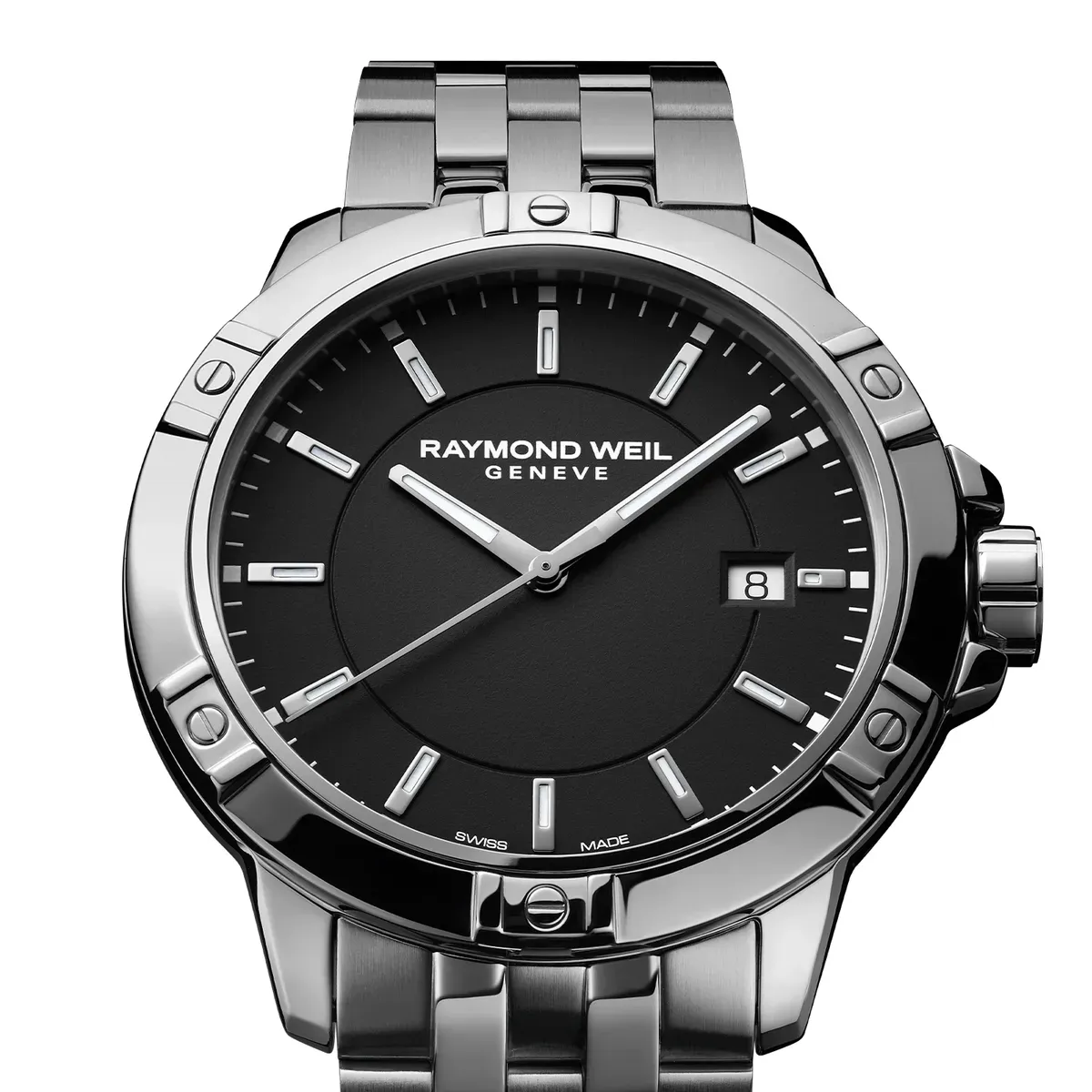
| Tango | The quartz entry | Sport styled accessible pieces for the gift market |
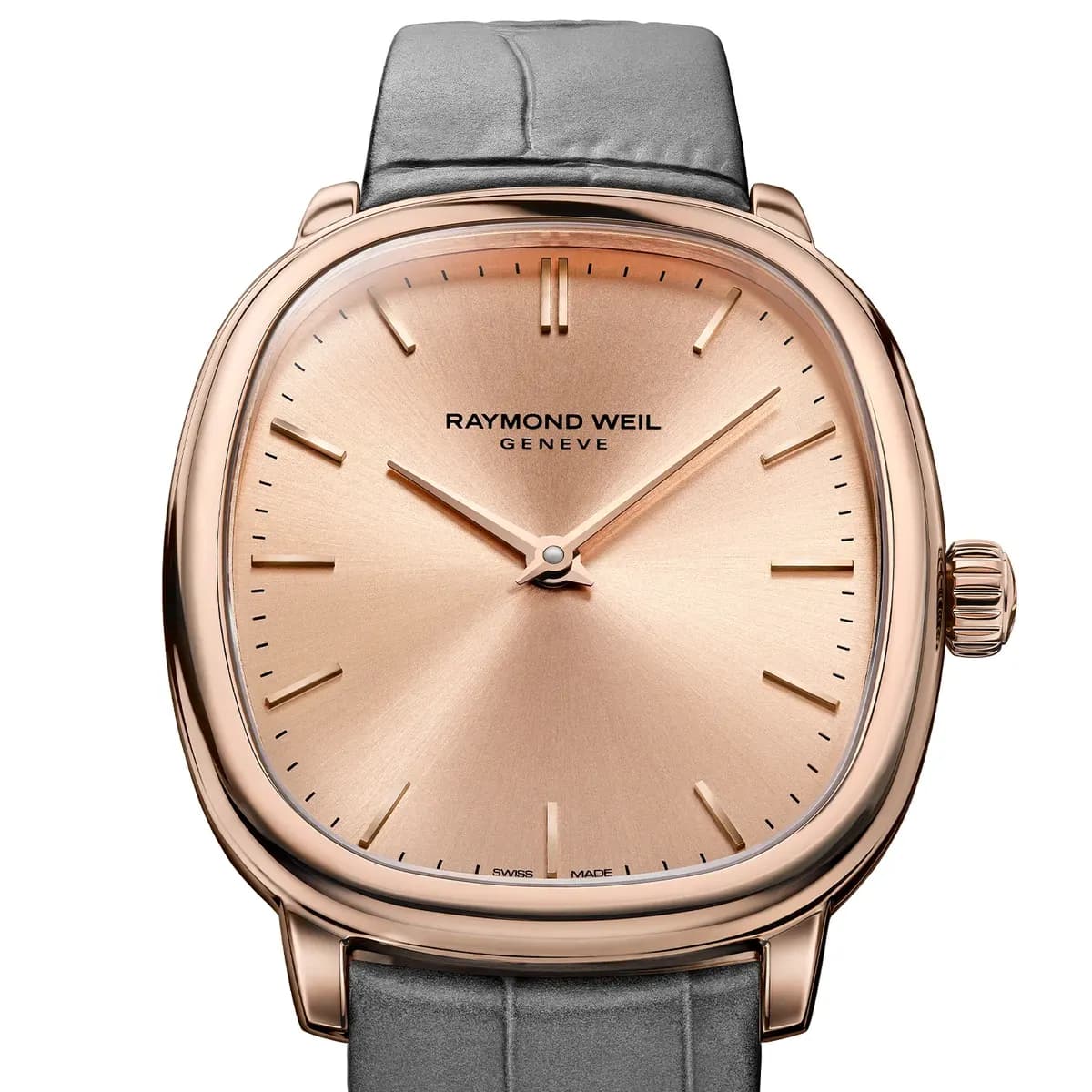
| Shine / Noemia | The women's range | Interchangeable straps and diamond options |
Why it stands out
- Genuine family independence. One of the last owner run Swiss brands of scale, now in its third generation under Elie Bernheim.
- The Millesime coup. A GPHG winning design that turned a gift brand into an enthusiast recommendation almost overnight.
- A coherent cultural identity. Forty years of music naming and partnerships give it a lane no rival occupies.
- Honest pricing. Swiss made mechanicals from 1,500 to 3,000 dollars with finishing that matches or beats group rivals.
- RW1212 ambition. A semi exclusive caliber with dial side balance, rare at this price point.
Weaknesses
- Legacy perception. Decades of mall and duty free distribution left an unexciting image the Millesime is still working to erase.
- Movement dependence. Reliance on Sellita bases limits technical storytelling against manufacture rivals like Longines.
- Thin resale. Secondary values are weak across the catalog, and heavy retailer discounting undermines list prices.
- Catalog split. Quartz gift lines and enthusiast pieces share one name, muddying what the brand stands for.
- Scale disadvantage. Marketing and retail presence cannot match Swatch Group and Richemont competitors in the same window.
Summary
Raymond Weil is the rare accessible Swiss brand with an actual story: a founder who bet against the quartz crisis, a family that kept the keys, and a musical identity it never abandoned. The Millesime proved the house can design for collectors, not just gift counters, and the GPHG agreed. Its structural weaknesses, bought movements, soft resale, and a dated image, are real but improving. Among 2,000 dollar Swiss watches, it has quietly become one of the most interesting choices rather than one of the safest.