Patek Philippe
4models
11collections
134reviews
Patek Philippe
Big 5Pinnacle of haute horlogerie; perpetual calendars and minute repeaters
Geneva, Switzerland · est. 1839
part of Independent (Stern family)
$25,000–$500,000+
My tier · 3
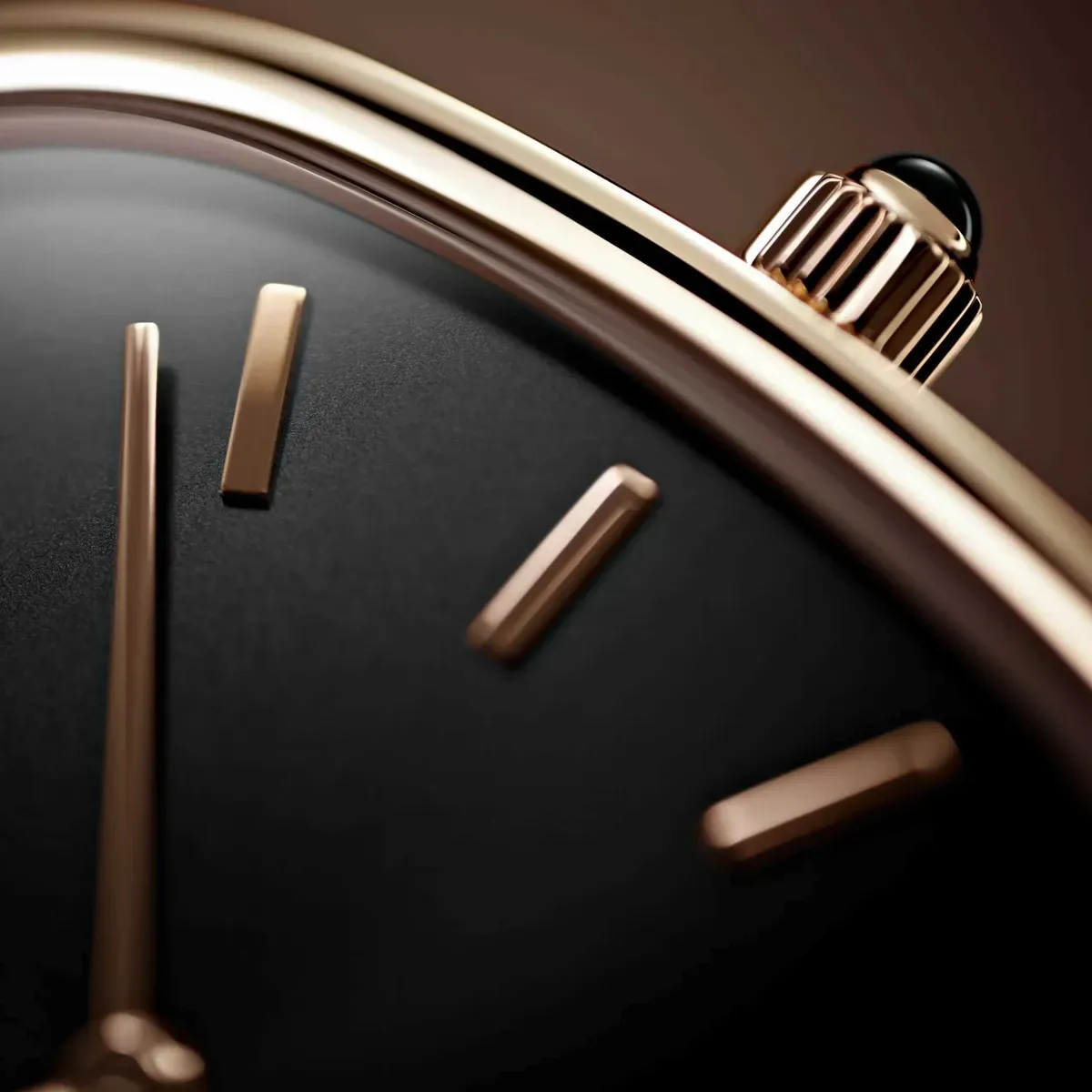
Patek Philippe sits at the summit of traditional watchmaking and has held that position for most of two centuries. It is the last major Geneva manufacture still owned by a single family, and it dominates both complicated watchmaking and the auction market. This write up examines why the reputation is largely earned, and where the cracks are.
More about Patek Philippe
History
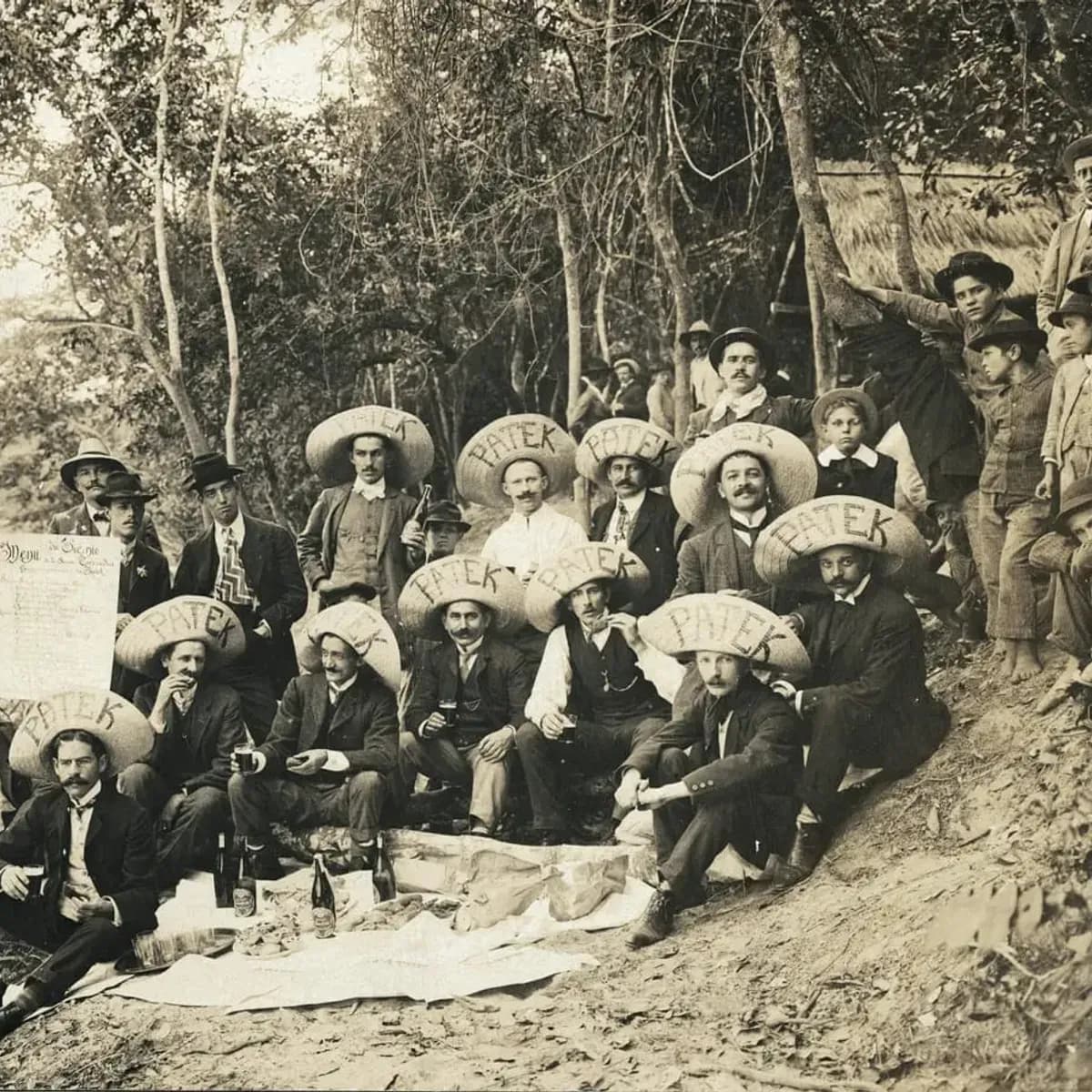
The firm began in 1839 when Polish émigré Antoni Patek founded Patek, Czapek & Cie in Geneva with François Czapek. French watchmaker Adrien Philippe joined in 1845, bringing his patented keyless winding system that replaced the winding key with the crown. The company became Patek Philippe & Cie in 1851, the same year Queen Victoria bought one of its watches at the Great Exhibition in London.
The house also has a claim on the wristwatch itself. In 1868 it made what is widely cited as the first Swiss wristwatch, a jeweled bracelet watch for Countess Koscowicz of Hungary. Decades before the category existed commercially, the firm already treated the wrist as a serious platform.
Complicated work built the legend early. Patek delivered the first known perpetual calendar wristwatch in 1925 and completed the Graves Supercomplication pocket watch for banker Henry Graves in 1933. The Depression nearly sank the firm, and in 1932 the Stern family, then its dial suppliers, bought it.
That same year produced the Calatrava ref 96, the archetype of the round dress watch. The Sterns have run the company ever since. Thierry Stern, the fourth generation, has been president since 2009.
Family Ownership Under the Sterns
Family control is Patek's core strategic asset. Production is deliberately capped at roughly 70,000 watches per year, a fraction of Rolex volume, and Thierry Stern has consistently rejected acquisition offers and expansion pressure. Decisions favor the archive and the next generation rather than the next quarter.
The company also controls its own quality standard. In 2009 it left the Geneva Seal and created the stricter Patek Philippe Seal, which covers the entire watch and requires accuracy of minus 3 to plus 2 seconds per day for most calibers. The 1996 advertising line, "You never actually own a Patek Philippe. You merely look after it for the next generation," remains the most effective luxury campaign in the industry.
The family also spends like an owner. A new production building in Plan les Ouates, opened in 2020 after an investment of around 600 million Swiss francs, consolidated manufacturing under one roof. The message was continuity: capacity grows slowly, and the cap on output stays.
The Complications Tradition
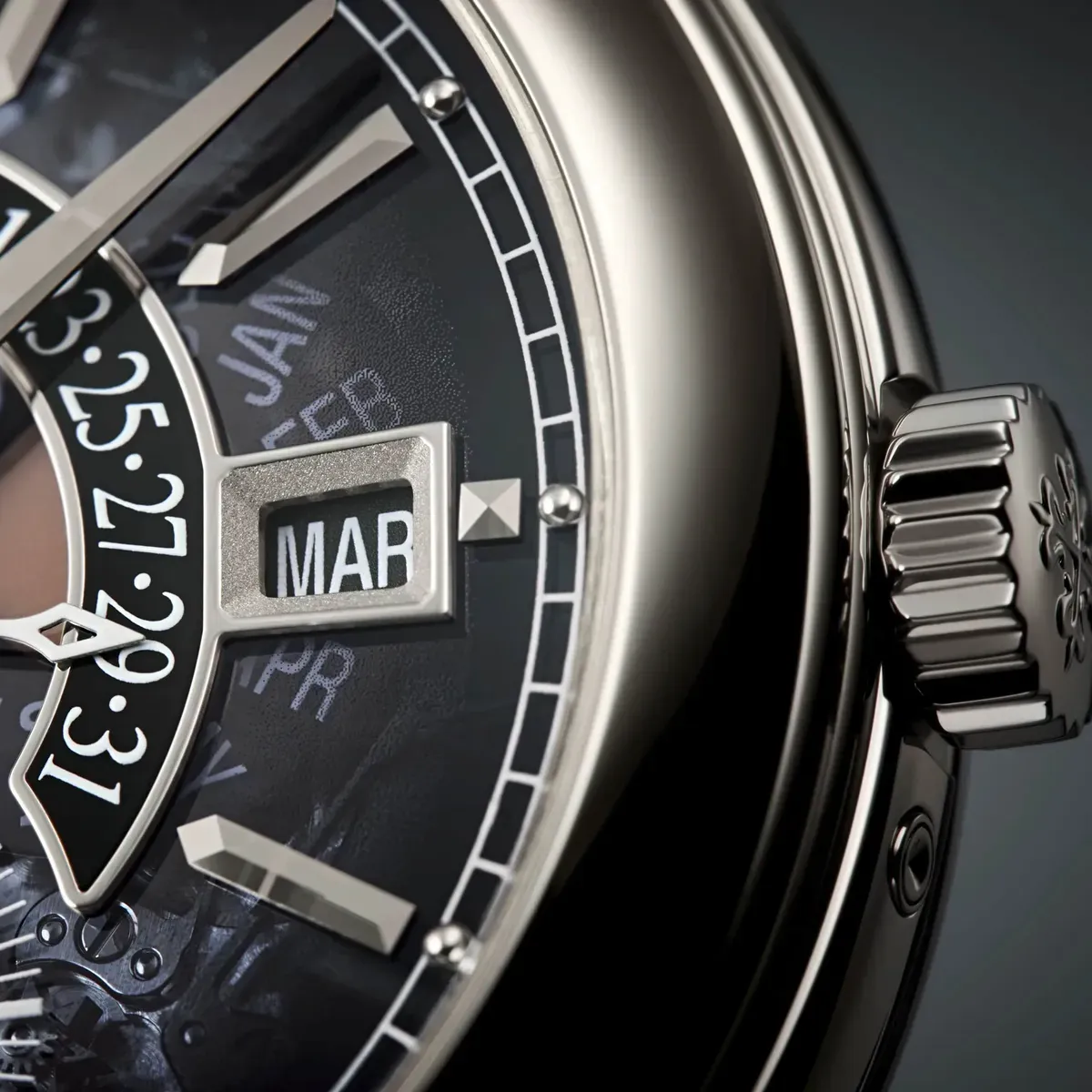
Complications are the house's native language. The ref 1518 of 1941 was the first serially produced perpetual calendar chronograph, a lineage running through the ref 2499 to today's ref 5270. The annual calendar, patented in 1996, was a rare genuinely new complication and remains a Patek signature at the accessible end of high horology.
Anniversary pieces show the ceiling. The Caliber 89 of 1989 carried 33 complications, and the Grandmaster Chime of 2014 carries 20, including a grande sonnerie. Base movements matter just as much: the ultra thin micro rotor caliber 240 of 1977 still powers perpetual calendars and the Golden Ellipse today.
The Advanced Research program plays the modernist counterpoint, introducing silicon Silinvar escapement components from 2005 and a compliant mechanism travel time in the ref 5650G of 2017. Innovation is real but deliberately rationed. Nothing reaches series production until it can still be serviced in fifty years.
Model lineup
| Collection | Identity | Highlights |
|---|---|---|
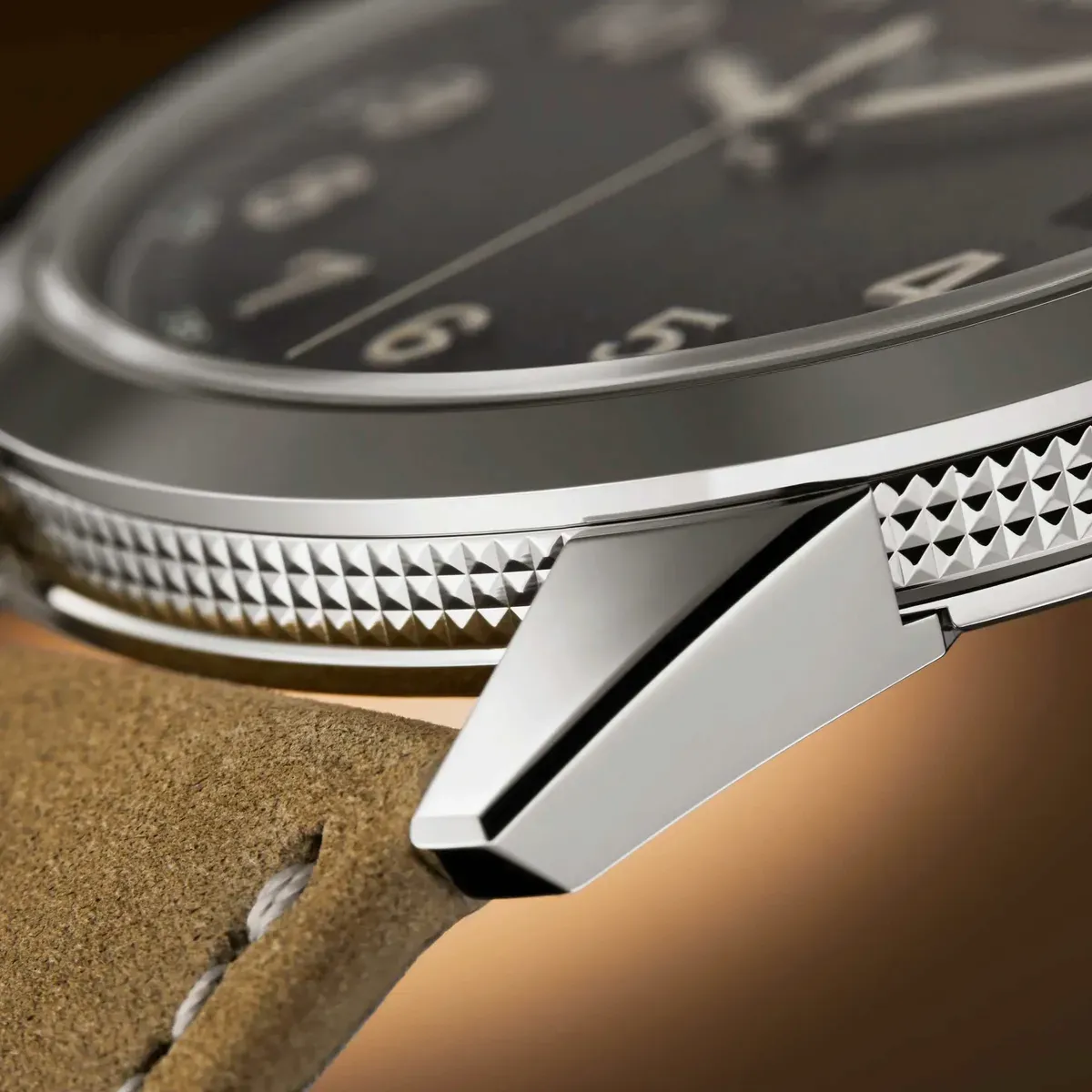
| Calatrava | The definitive dress watch | Descended from the 1932 ref 96, Bauhaus restraint, hobnail bezel variants |
| Nautilus | The steel luxury icon | 1976 Gérald Genta porthole design; the 5711 was discontinued in 2021 at peak demand |
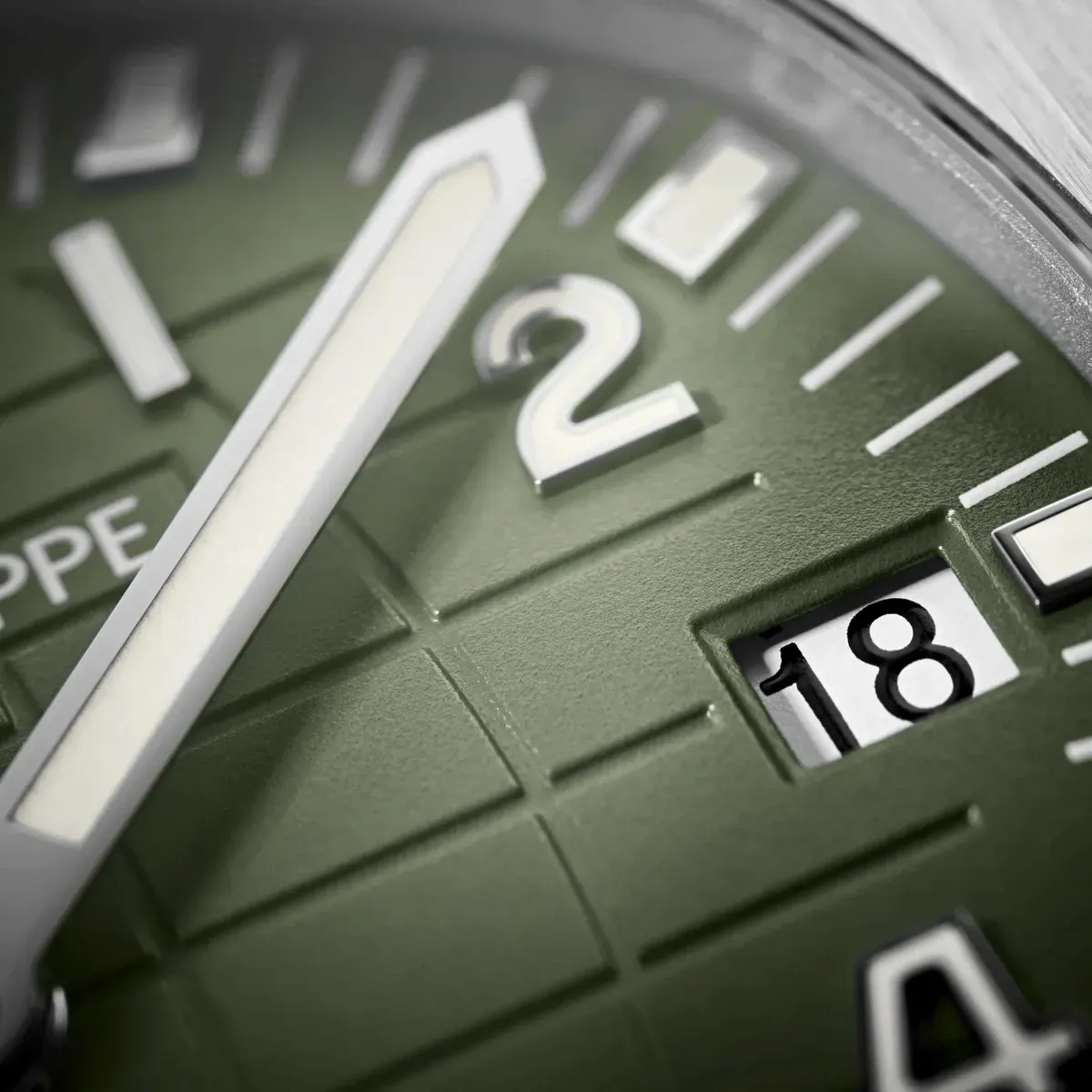
| Aquanaut | The casual modern Patek | 1997 launch, rubber "Tropical" strap, now nearly as sought after as the Nautilus |
| Grand Complications | The summit | Perpetual calendars, minute repeaters, ref 5270, Sky Moon Tourbillon |
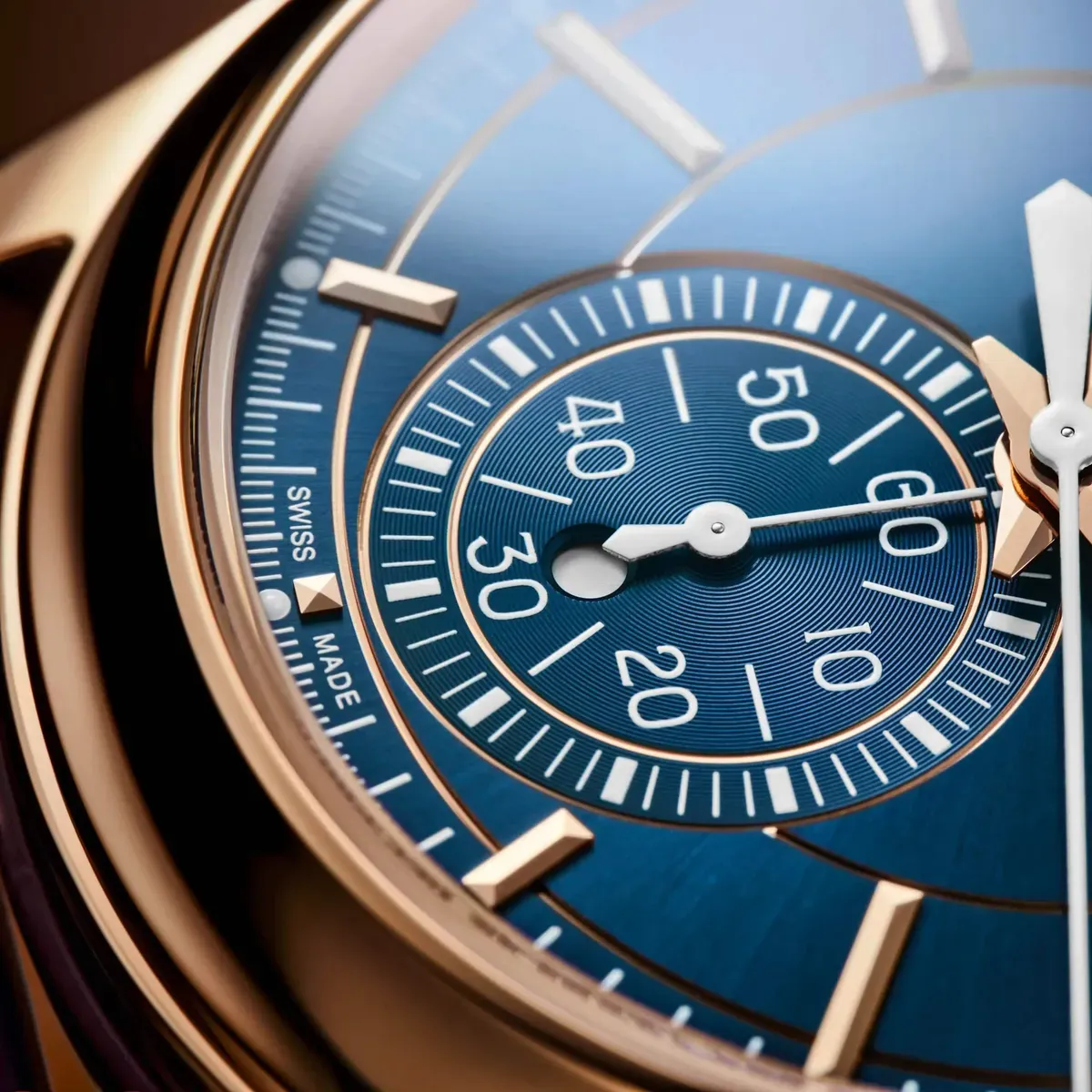
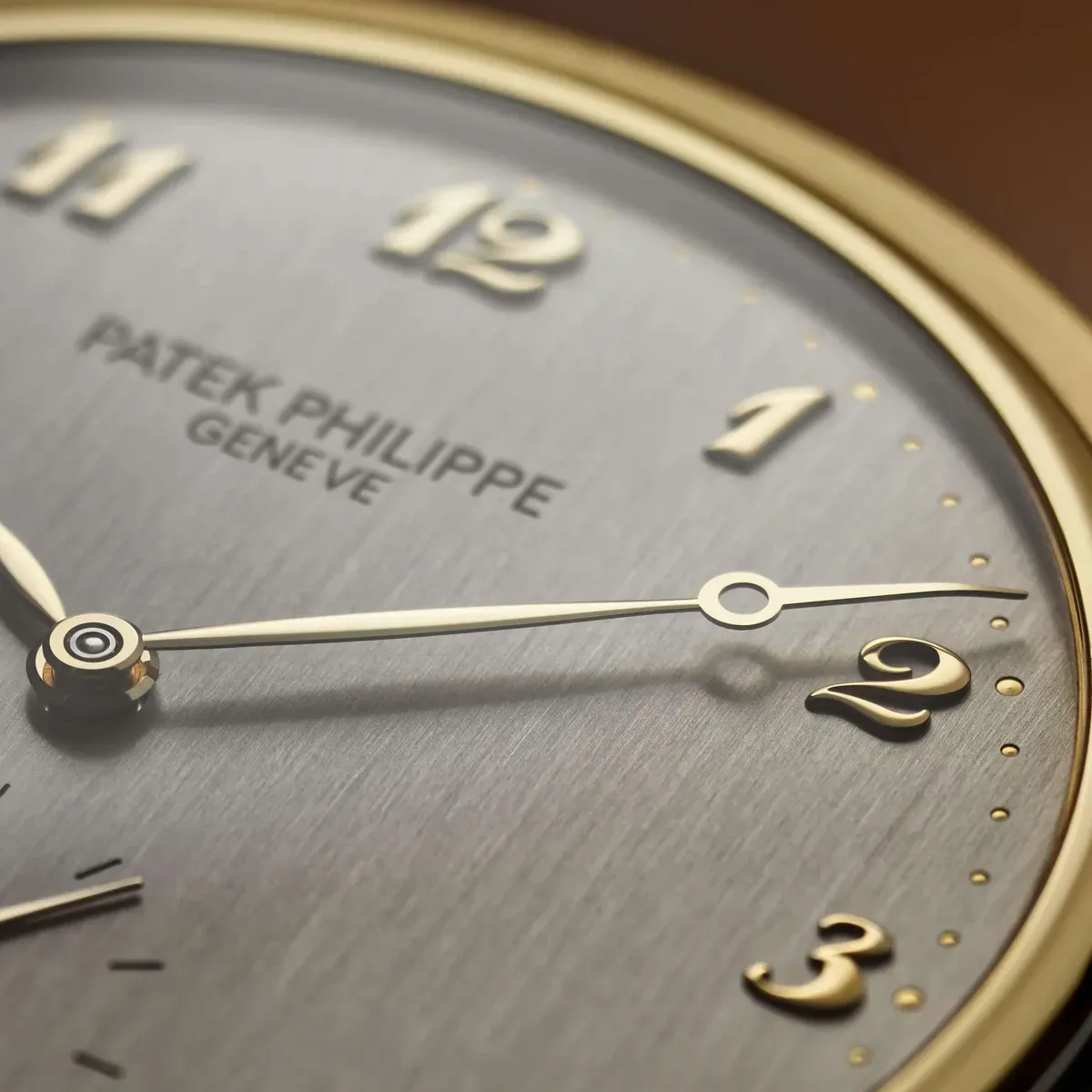
| Complications | Useful high horology | Annual Calendar, World Time, and Travel Time watches such as the ref 5326 |
| Golden Ellipse | The design curio | 1968 golden ratio case, powered by the caliber 240 |
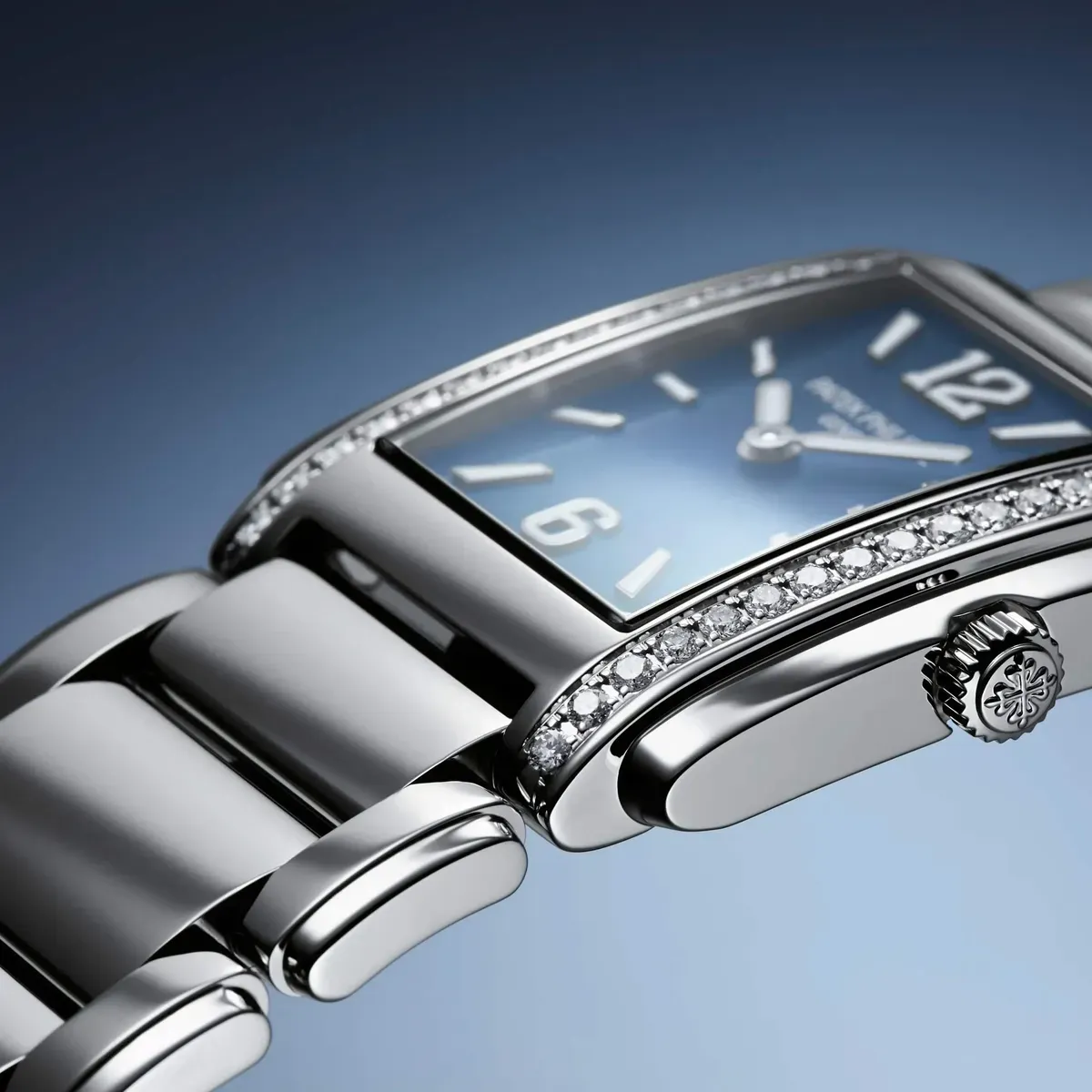
| Twenty~4 | The women's line | Launched 1999, quartz origins, now with automatic round models |
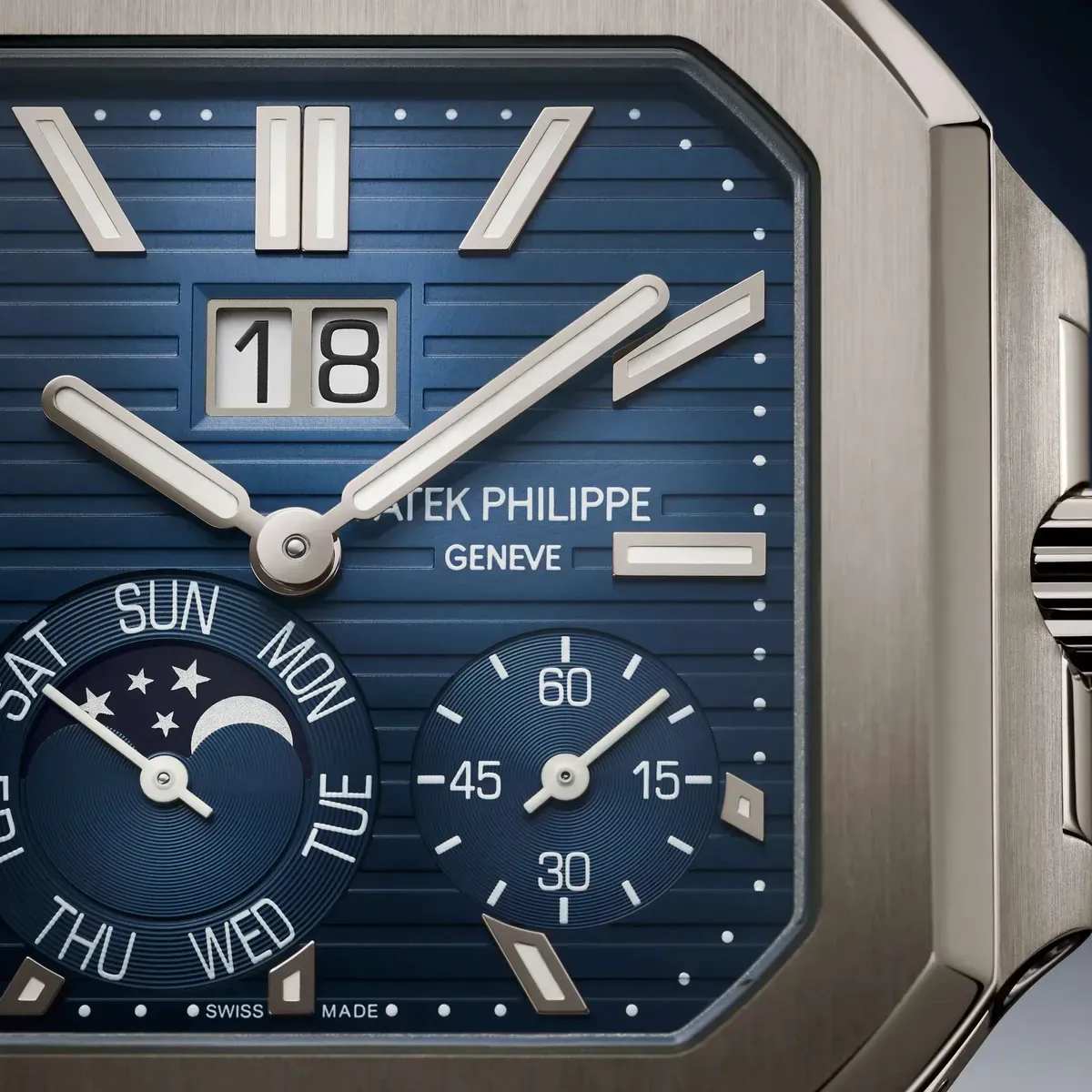
| Cubitus | The new bet | 2024 launch, square case with rounded corners, deliberately divisive reception |
Rare Handcrafts and the Museum
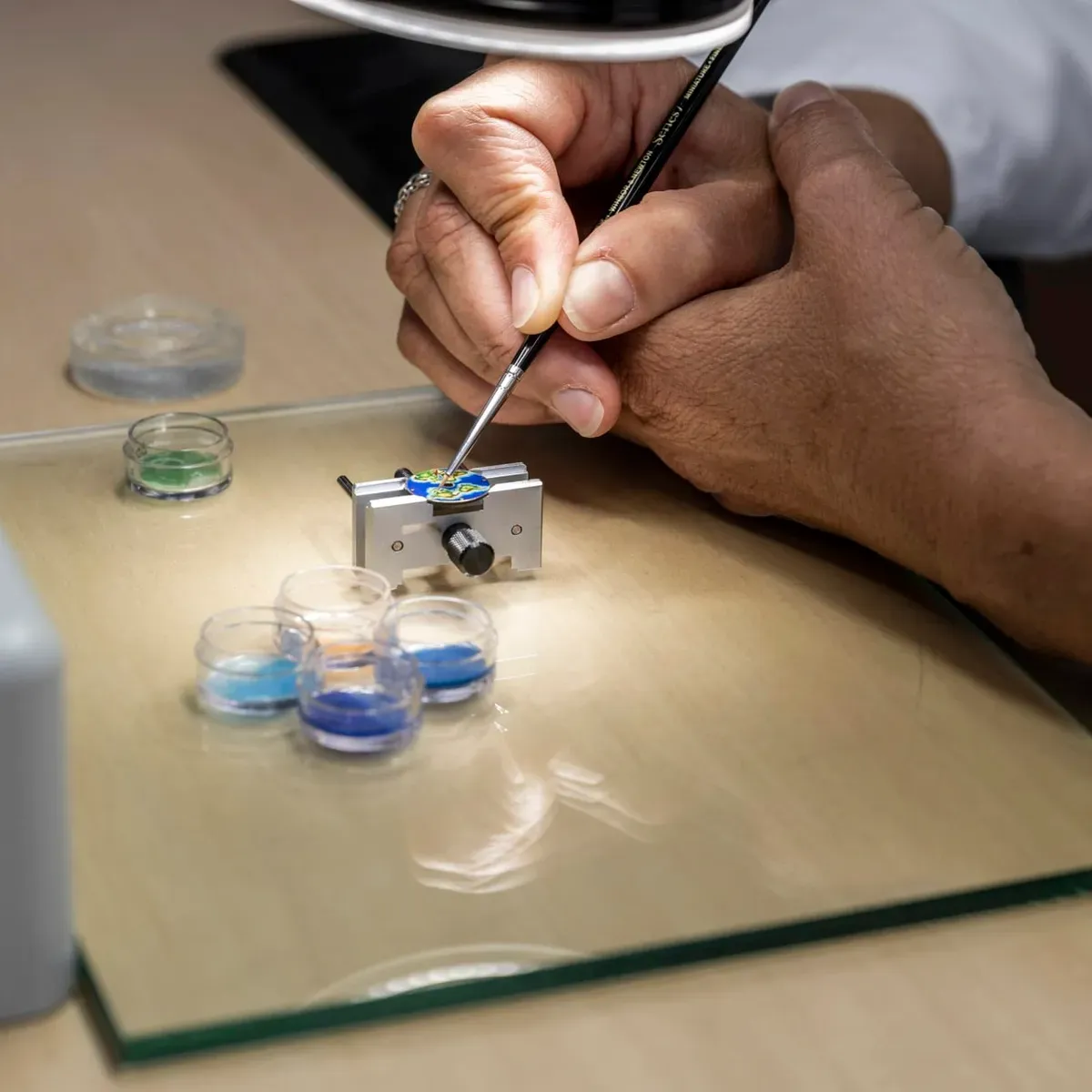
Patek maintains living ateliers for Rare Handcrafts: cloisonné and miniature enamel, hand guilloché, wood marquetry, and gem setting. Annual themed collections of dome clocks, pocket watches, and wristwatches keep alive skills most of the industry lost decades ago. These pieces sell quietly to the very top of the client list.
The Patek Philippe Museum, opened in Geneva in 2001, holds more than 2,500 pieces spanning five centuries of watchmaking, not only the company's own. Traveling Watch Art Grand Exhibitions, most recently in Tokyo in 2023, function as brand embassies drawing hundreds of thousands of visitors.
Auction Dominance
Patek owns the top of the auction market. The steel Grandmaster Chime ref 6300A sold for 31 million Swiss francs at Only Watch in 2019, still the highest price ever paid for a wristwatch. The Graves Supercomplication brought about 24 million dollars in 2014.
Depth matters more than records. Vintage perpetual calendar chronographs like the 1518 and 2499 anchor every major sale, supported by the company's archive extract service and its Geneva museum. No other brand's back catalog is this liquid at this level.
Why it stands out
- Finishing and movement architecture. Interior angles, black polishing, and hand beveling executed at a level industrial brands do not attempt and few independents match at volume.
- Complication supremacy. From the annual calendar to the grande sonnerie, the house has the deepest living complication tradition in Geneva.
- Family control. Four generations of Sterns have protected pricing, production caps, and taste from outside shareholders.
- Value retention at the top. Patek defines the ceiling of the secondary market, and its rarest references function as blue chip assets.
- The archive. Extracts documenting watches back to 1839 give provenance and scholarship no rival can offer collectors.
- Rare handcrafts. Living enamel, engraving, and marquetry ateliers give Patek an artistic register that rivals outsource or abandoned entirely.
Weaknesses
- Allocation and opacity. Steel sports models are effectively unobtainable at retail, and the purchase history game is even harsher than at Rolex.
- Sports model distortion. Nautilus and Aquanaut hype overshadows the dress and complicated catalog that actually defines the house.
- Conservative design language. Outside Genta's 1976 silhouette, styling evolves glacially, and the Cubitus showed how hard novelty lands with its audience.
- Price escalation. Entry now sits well above 20,000 dollars, pushing younger enthusiasts toward independents and Lange.
- Service lead times. Complicated pieces can spend many months at the manufacture, a sore point for owners at this price.
- Succession risk. The whole model depends on one family's judgment, and each generational handover concentrates enormous decisions in very few hands.
Summary
Patek Philippe remains the reference for finishing, complications, and long horizon stewardship. The Stern family's production discipline keeps desirability structurally higher than supply, which sustains both the waitlists and the auction records. The risks are self inflicted: hype concentration in two steel models and pricing that drifts away from its next generation of buyers. As a store of horological value, nothing else is quite as safe.
For a buyer, the honest path mirrors the brand itself: ignore the two hyped references and study the annual calendars, world timers, and Calatravas where supply is real. That is where Patek still sells watchmaking rather than allocation.