Jaeger-LeCoultre
10models
9collections
82reviews
Jaeger-LeCoultre
High-end"Watchmaker's watchmaker"; vast in-house caliber expertise
Le Sentier, Switzerland · est. 1833
part of Richemont
$7,000–$50,000+
My tier · 3
Jaeger-LeCoultre traces back to 1833, when Antoine LeCoultre opened a small workshop in Le Sentier, in the watchmaking valley of the Vallée de Joux. A gifted inventor, he built a pinion cutting machine in the 1820s and in 1844 created the millionomètre, the first instrument able to measure to the micron.
More about Jaeger-LeCoultre
History
His workshop grew into a true Manufacture, gathering nearly every watchmaking craft under one roof at a time when the trade was highly fragmented. The modern name was sealed in 1937, formalizing the long collaboration between Jacques-David LeCoultre and the Parisian chronometer maker Edmond Jaeger, whose partnership reached back to 1903.
Over almost two centuries the house has produced well over 1,200 different calibers and filed more than 430 patents. Today it sits within the Richemont group and is widely known among collectors as the "watchmaker's watchmaker," a reference to the components and movements it has long supplied to other prestigious houses.
That reputation was earned in the workshop, not the showroom. For much of the twentieth century the Vallée de Joux supplied finished movements and rough movement blanks to many of the most respected names in Geneva, and several elite houses built celebrated watches on calibers that began life at LeCoultre.
Early milestones set the tone. The Duoplan of 1925 packed a robust movement into a very small case, and its later miniaturization led directly to the record breaking Caliber 101. By gathering design, production, and finishing in one place, the house turned a remote alpine valley into one of the most self sufficient watchmaking operations in the world.
Inside the Manufacture: Movement Mastery
Jaeger-LeCoultre is fundamentally an engineering led house, and its identity rests on movement making done within its own walls. The Vallée de Joux site brings casing, dials, springs, and finishing together, which lets the brand build complications that most rivals would outsource.
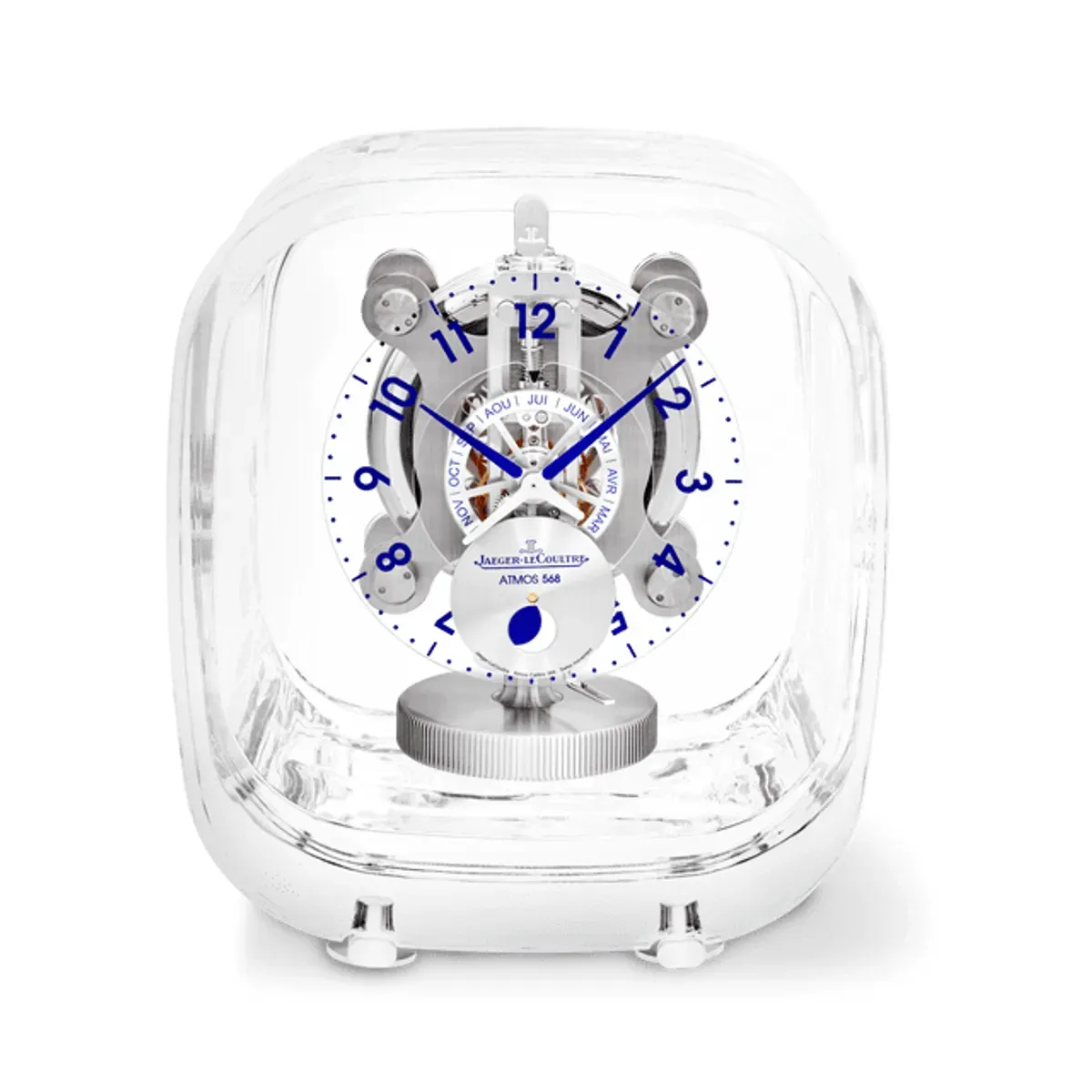
Two achievements anchor the legend. In 1929 the Caliber 101 arrived as the world's smallest mechanical movement, with 98 components weighing roughly one gram, and it still powers tiny jewelry watches today. In 1928 the Atmos clock appeared, drawing its energy from minute changes in air temperature so that a single degree of variation keeps it running almost perpetually.
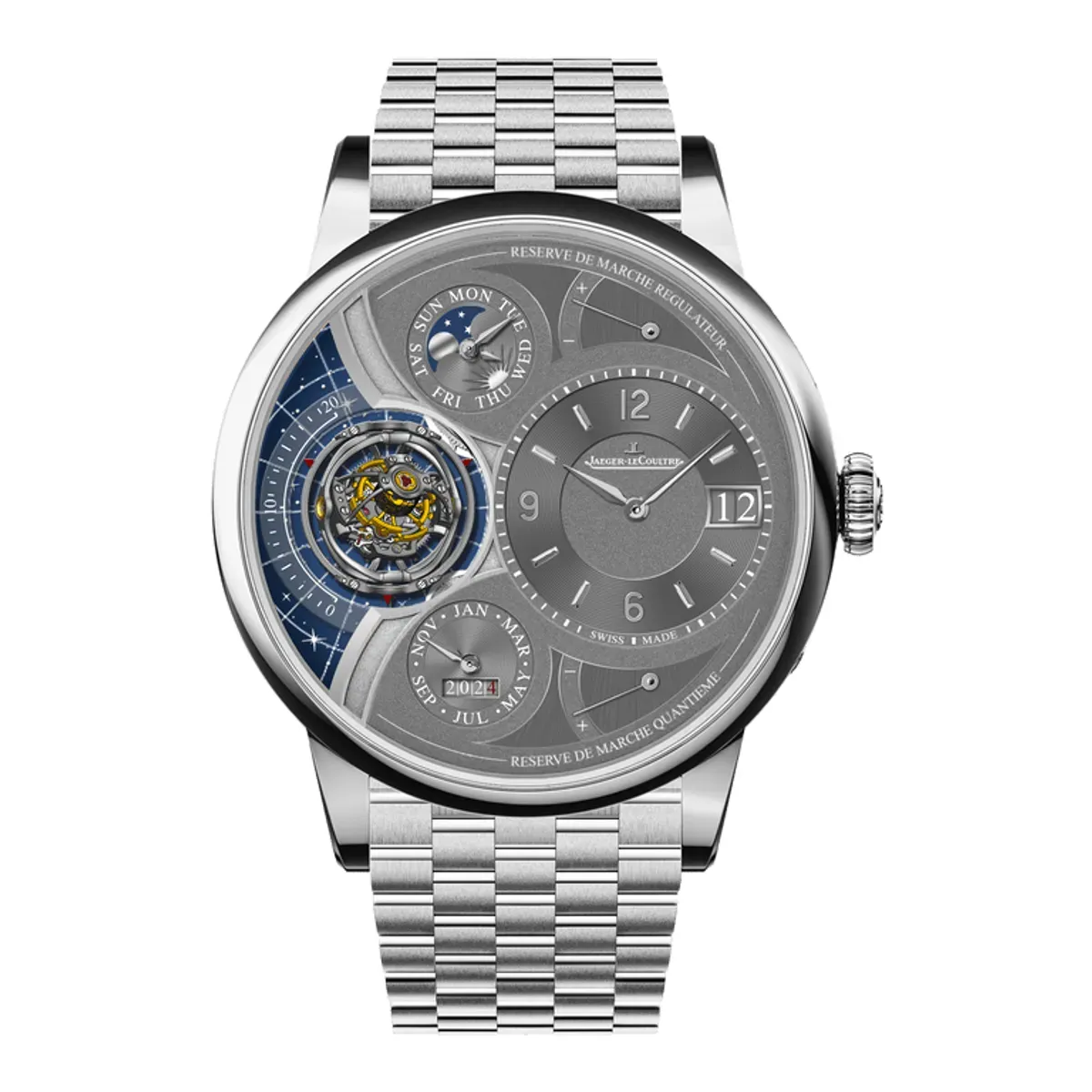
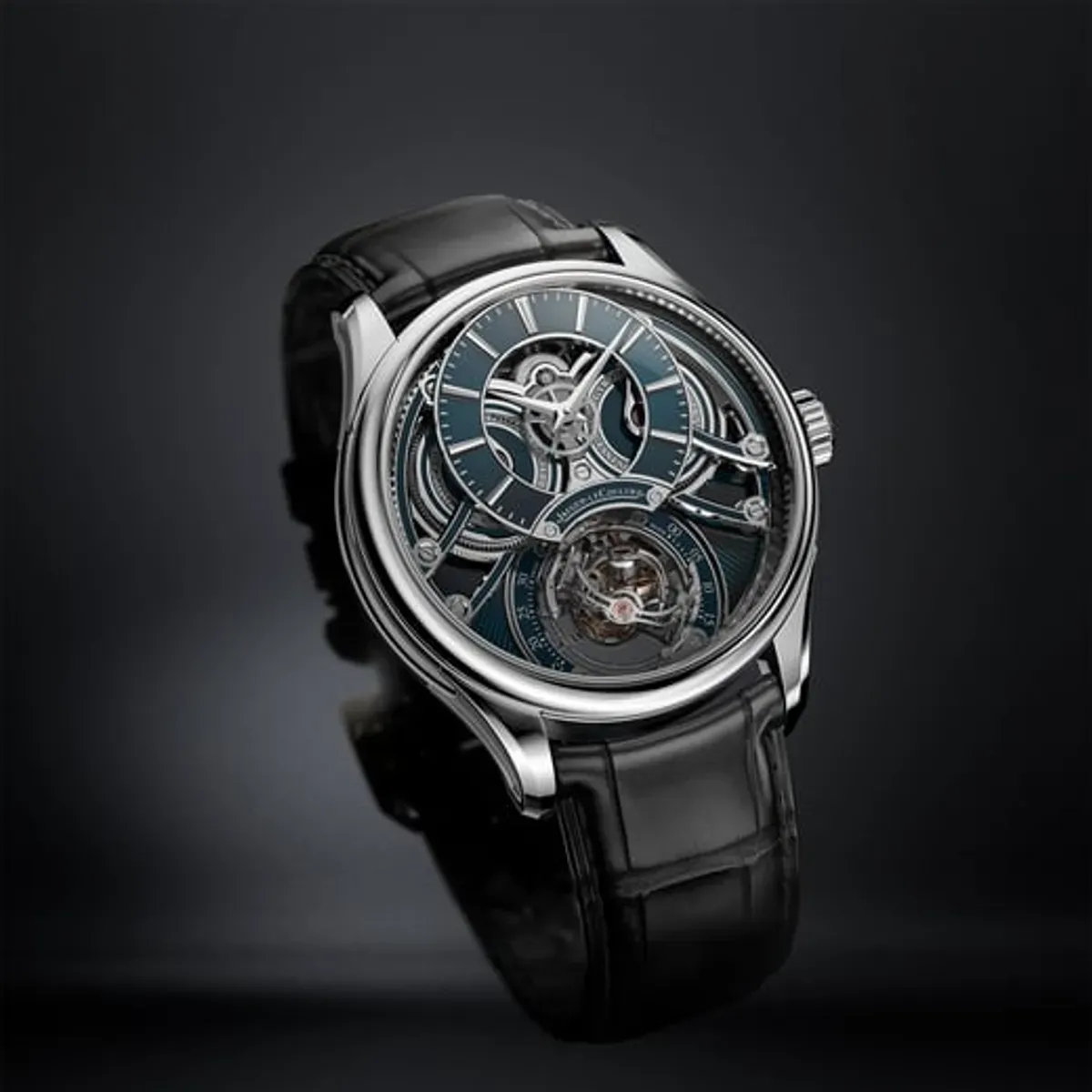
The brand's grand complication line, Hybris Mechanica, gathers its most extreme work. It includes the Gyrotourbillon, a tourbillon that rotates on multiple axes, alongside multi chiming minute repeaters and astronomical clocks such as the Atmos Hybris Mechanica Calibre 590.
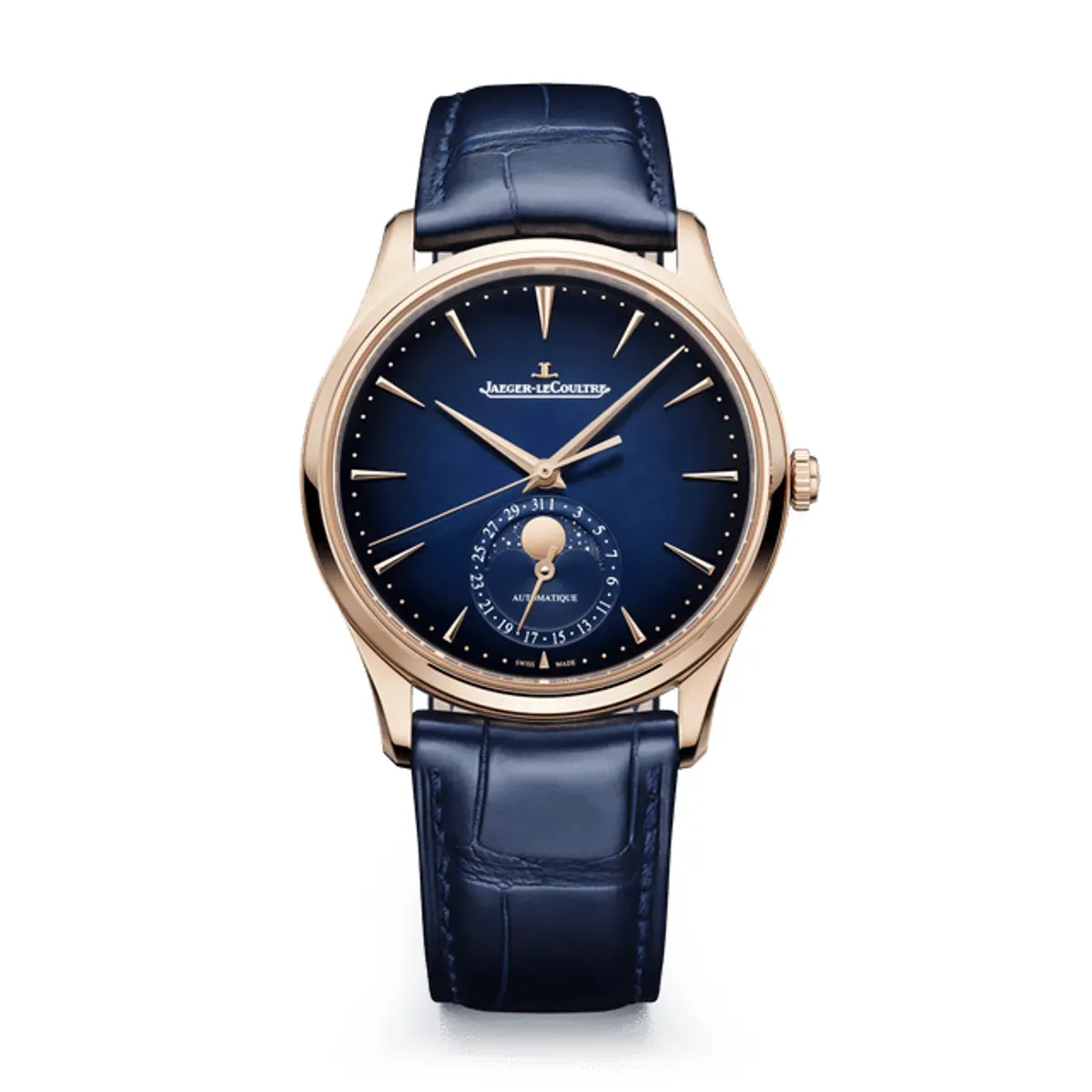
The pursuit of thinness is equally serious. The house has long built some of the slimmest movements in the industry, a tradition that lives on in the Master Ultra Thin family. This blend of extreme miniaturization, ultra thin engineering, and grand complication is rare for a single Manufacture to hold all at once.
The Reverso: An Art Deco Icon
No single object defines the brand more than the Reverso, born in 1931. The idea came from businessman César de Trey, who watched British officers play polo in India and wanted a watch that could survive the impact of the game.
The solution was a case that slides in its cradle and flips to hide the crystal, protecting it behind a solid metal back. French designer René-Alfred Chauvot registered the swiveling case design in 1931, and the rectangular, stepped lines made it a pure expression of Art Deco style.
Production faded in the 1960s as round watches took over, then the model was revived from 1975 onward and became a cultural icon. The blank caseback later turned into a canvas for engraving, enamel, and even second time displays, giving the Reverso a versatility few designs of its age can match.
The Memovox and the Birth of Polaris
The Memovox, launched at Basel in 1950, gave the brand its second great signature after the Reverso. Its name joins the Latin vox, meaning voice, with memory, and a second crown winds a small hammer that chimes against the case as an alarm.
The line matured quickly through the decade. An automatic Memovox caliber arrived in the 1950s, and a 1959 model for divers added an inner rotating bezel and a louder alarm to warn when air was running low.
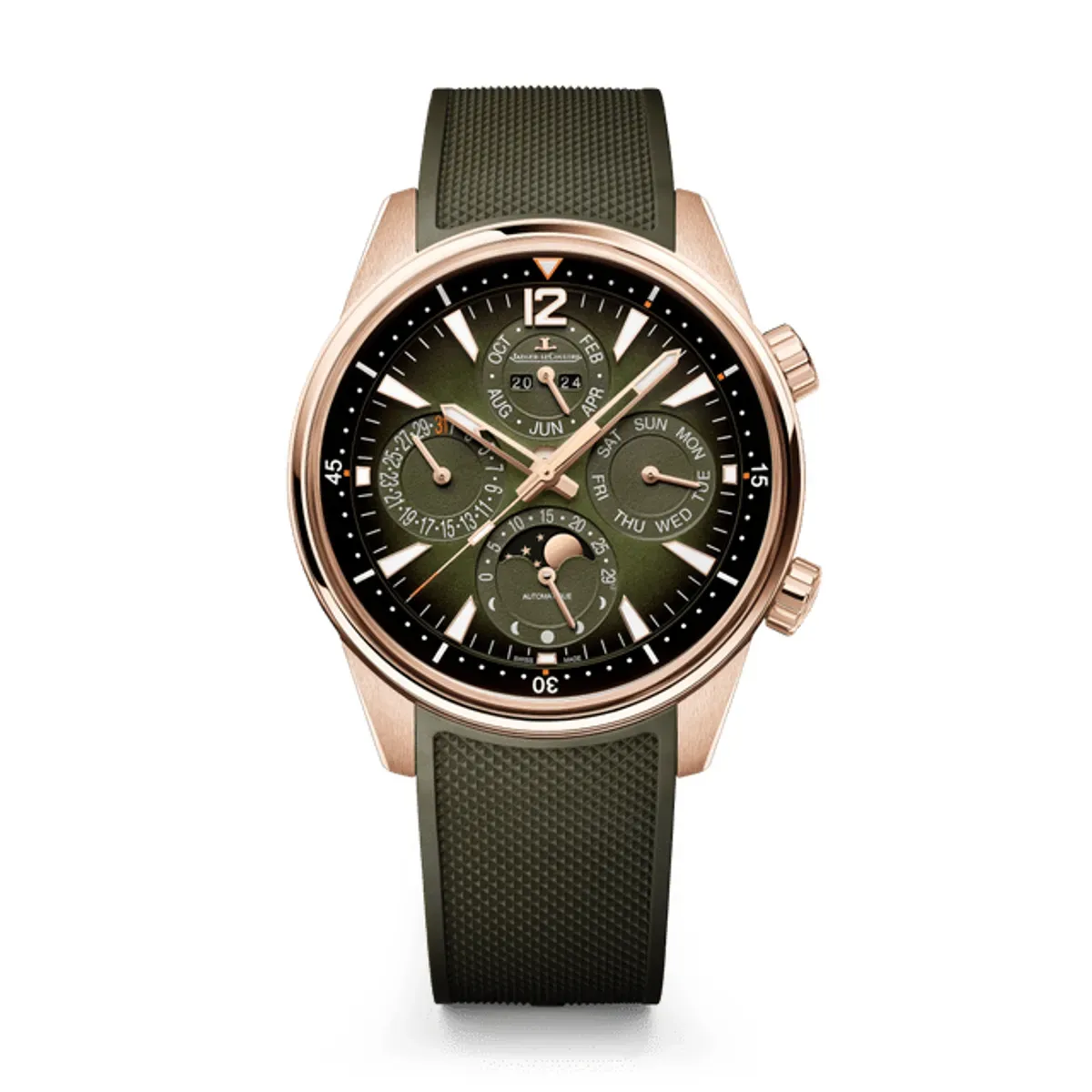
That tool watch lineage peaked with the Memovox Polaris of 1968, a sought after diver that now lends its name to the modern Polaris sport collection. Today's Polaris keeps the sporty spirit while spanning simple three hand watches, chronographs, and revived alarm models.
The Geophysic and Precision Chronometry
In 1958 the brand released the Geophysic, a chronometer made to mark both its 125th anniversary and the International Geophysical Year of 1957 to 1958. The watch was built to resist magnetism, water, and shock, qualities prized by the scientists and explorers of that era.
Only about 1,000 pieces were made in a single year, which makes original examples rare and collectible. Jaeger-LeCoultre revived the name in 2014 with a faithful reissue, complete with sloping bezel, sword hands, and crosshair dial.
The Geophysic captures a quieter strength of the brand, namely its devotion to everyday accuracy rather than spectacle. It connects the modern catalog to a long tradition of precision instruments and observatory grade timekeeping.
Métiers Rares: The Art of Finishing
The Vallée de Joux site gathers a remarkable 108 crafts under one roof, from movement design to the most delicate decoration. This breadth is the practical meaning behind the phrase "watchmaker's watchmaker."
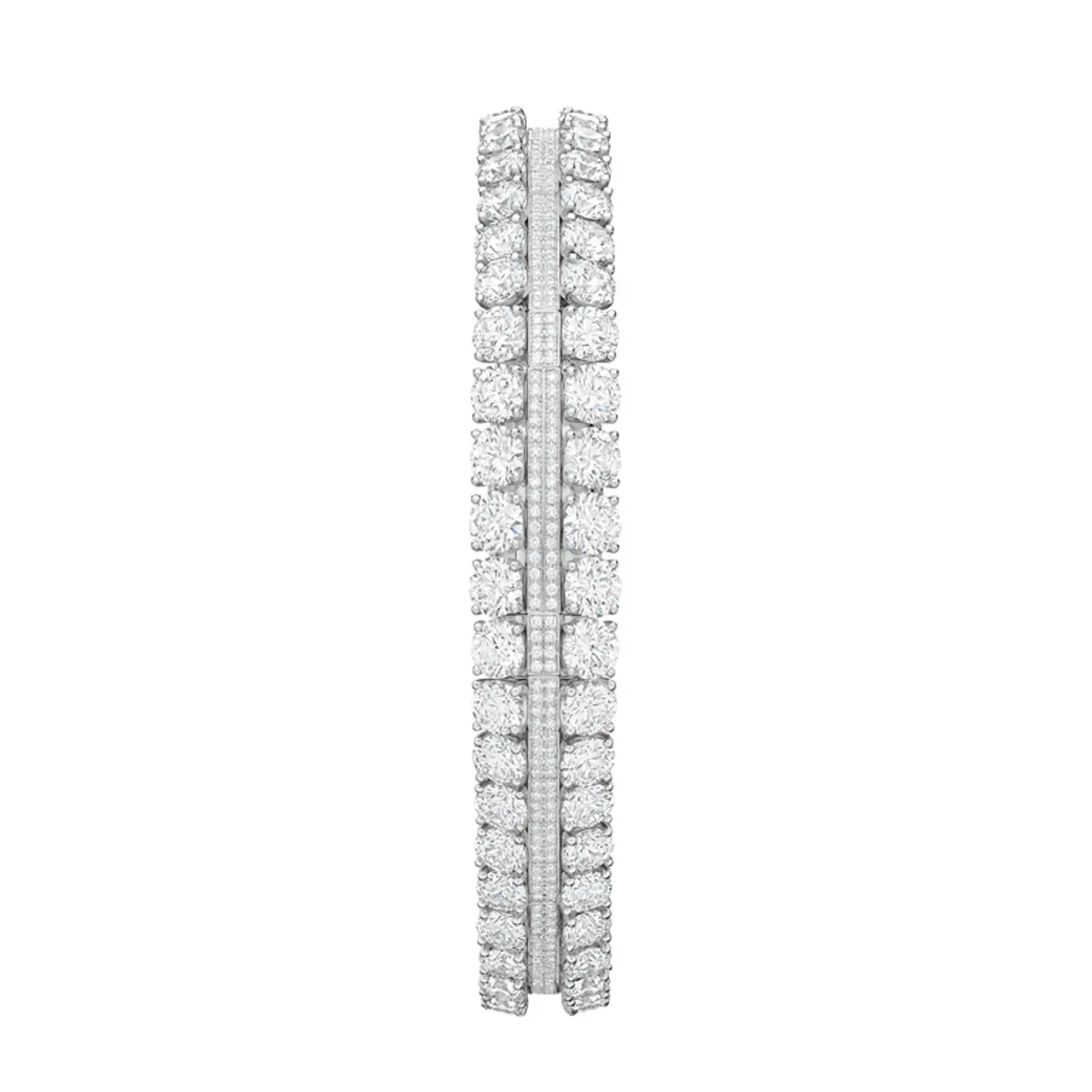
In 2016 the house opened the Atelier des Métiers Rares, a workshop devoted to the rarest decorative skills. Its artisans practice enamelling, guilloché, engraving, and gem setting, often combining several on a single piece.
The flat, double sided case of the Reverso is an ideal canvas for this work. Grand Feu enamel miniatures, hand turned guilloché patterns, and engraved scenes turn individual watches into one of a kind objects.
Model Lineup
| Collection | Identity | Highlights |
|---|---|---|
| Reverso | Art Deco swiveling case icon | Reverso Tribute, Reverso One, Duoface dual time, artistic enamel editions |
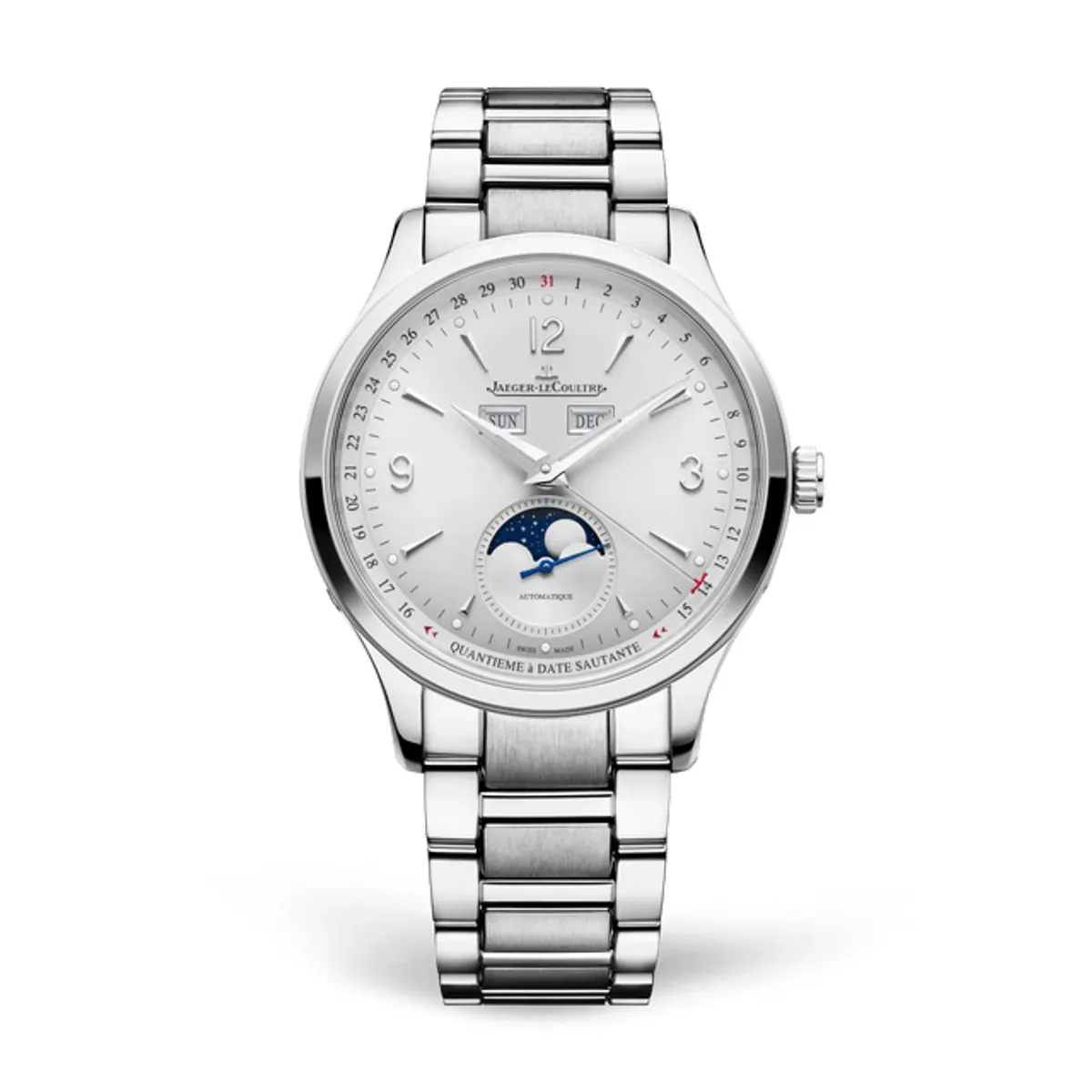
| Master | Classic round dress and control watches | Master Control, Master Ultra Thin, Master Calendar, refined everyday elegance |
| Polaris | Sport and travel line rooted in dive heritage | Built on the 1968 Memovox Polaris alarm diver, modern automatic and chronograph models |
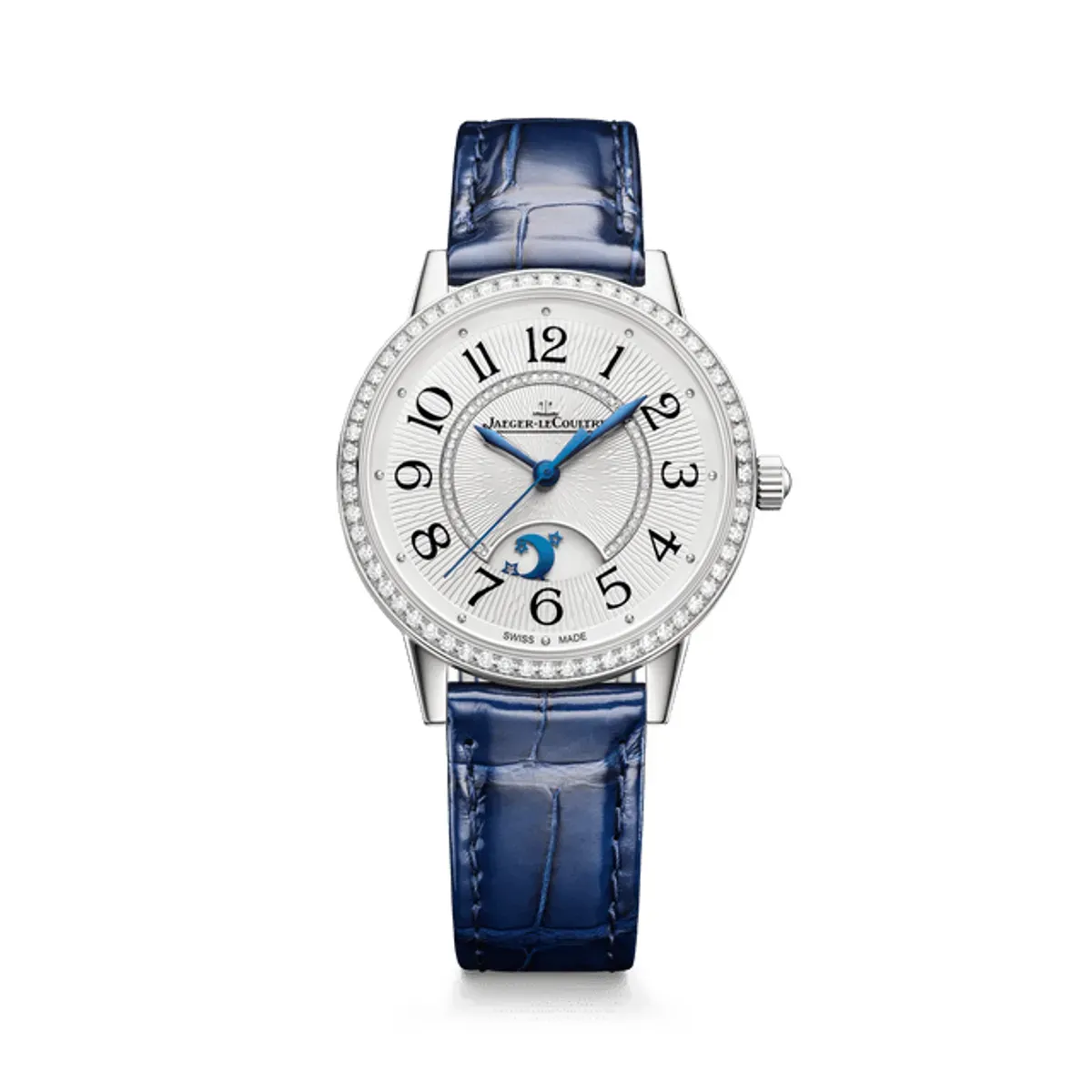
| Rendez-Vous | Feminine collection with a romantic register | Floating numerals, moon phases, the signature wandering star indicator |
| Duomètre | High watchmaking with separated power | Dual Wing concept giving timekeeping and complications their own energy supply |
| Atmos | Near perpetual decorative clock | Runs on temperature shifts, ranges from minimalist designs to the Calibre 590 masterpiece |
| Hybris Mechanica | Grand complication flagships | Gyrotourbillon, Westminster minute repeaters, astronomical and ultra complicated pieces |
The 1000 Hours Control
In 1992 the brand introduced the 1000 Hours Control, one of the strictest internal standards in the industry. Unlike the official Swiss chronometer test, it examines the fully cased watch rather than the bare movement.
The protocol runs for roughly six weeks, checking accuracy in several positions and temperatures and in conditions meant to mirror daily wear. It demands tighter results than standard COSC certification.
The program launched alongside the Master Control collection, which took its name from the test, built first around Caliber 889 and later the long running Caliber 899. A small seal engraved on the caseback marks every watch that passes.
Why It Stands Out
Genuine in house depth. Few brands can match the breadth of calibers and crafts assembled at the Vallée de Joux, which is exactly why peers have long sourced movements and parts from it.
A truly original icon. The Reverso is one of the rare watch designs defined by a functional idea rather than a dial, and its swiveling case has stayed instantly recognizable for more than ninety years.
Technical ambition at every level. From the gram light Caliber 101 to the Atmos clock and the Gyrotourbillon, the house pushes both miniaturization and complication further than most.
Strong value for the finishing. Within the Richemont upper tier, Jaeger-LeCoultre often delivers in house movements and high finishing at prices below comparably equipped rivals.
Proven everyday accuracy. The 1000 Hours Control tests the complete watch over six weeks, giving real assurance of reliability that exceeds standard chronometer certification.
Living decorative crafts. The Atelier des Métiers Rares keeps enamel, guilloché, engraving, and gem setting alive within the Manufacture, producing artistic pieces that few rivals can match.
Weaknesses
Quiet brand recognition. Outside collector circles the name carries less prestige than Rolex, Omega, or Patek Philippe, so resale demand and public awareness lag the engineering.
Softer secondary market. Many models depreciate more than blue chip sport watches, which can disappoint buyers who expect strong resale value.
A wide and complex catalog. The sheer number of references and complications can feel sprawling, making it hard for newcomers to grasp a single clear identity.
Dress leaning focus. With most attention on classic and complicated pieces, the brand offers little in the high demand steel sport category that drives much of today's market.
Muted release hype. The brand rarely generates the frenzy that surrounds certain rivals, so waitlists and collector buzz stay quiet even for genuinely excellent watches.
Summary
Jaeger-LeCoultre is a Manufacture in the fullest sense, combining nearly two centuries of invention with an unusually complete set of in house skills. Its story runs from Antoine LeCoultre in 1833 to the Reverso, the Atmos, the Caliber 101, and the Hybris Mechanica complications.
Positioned roughly from $7,000 to beyond $50,000, it offers serious watchmaking credibility at prices that often undercut its closest peers. Its strengths run from the Reverso and Memovox to the Atmos, the Geophysic, and the rarefied Hybris Mechanica complications, all backed by the 1000 Hours Control. For collectors who value mechanical substance over logo recognition, it remains one of the most rewarding names in fine watchmaking.