Breguet
4models
7collections
58reviews
Breguet
Big 5Inventor of the tourbillon; guilloché dials and blued "Breguet" hands
L'Abbaye, Switzerland · est. 1775
part of Swatch Group
$15,000–$150,000+
My tier · 3
Breguet is the brand of watchmaking's single greatest inventor. Abraham Louis Breguet created or perfected much of what the mechanical watch still is, from the tourbillon to the overcoil hairspring, and the modern company trades on that legacy from the Vallée de Joux. The question for buyers is whether today's Breguet lives up to the name on the dial.
More about Breguet
History
The Neuchâtel born Abraham Louis Breguet opened his workshop on the Quai de l'Horloge in Paris in 1775. Within a decade he was supplying the French court, including Marie Antoinette, and his client book grew into a census of European power: Napoleon, Talleyrand, the courts of Russia, Spain, and Britain. He survived the Revolution by fleeing to Switzerland, then returned to even greater fame.
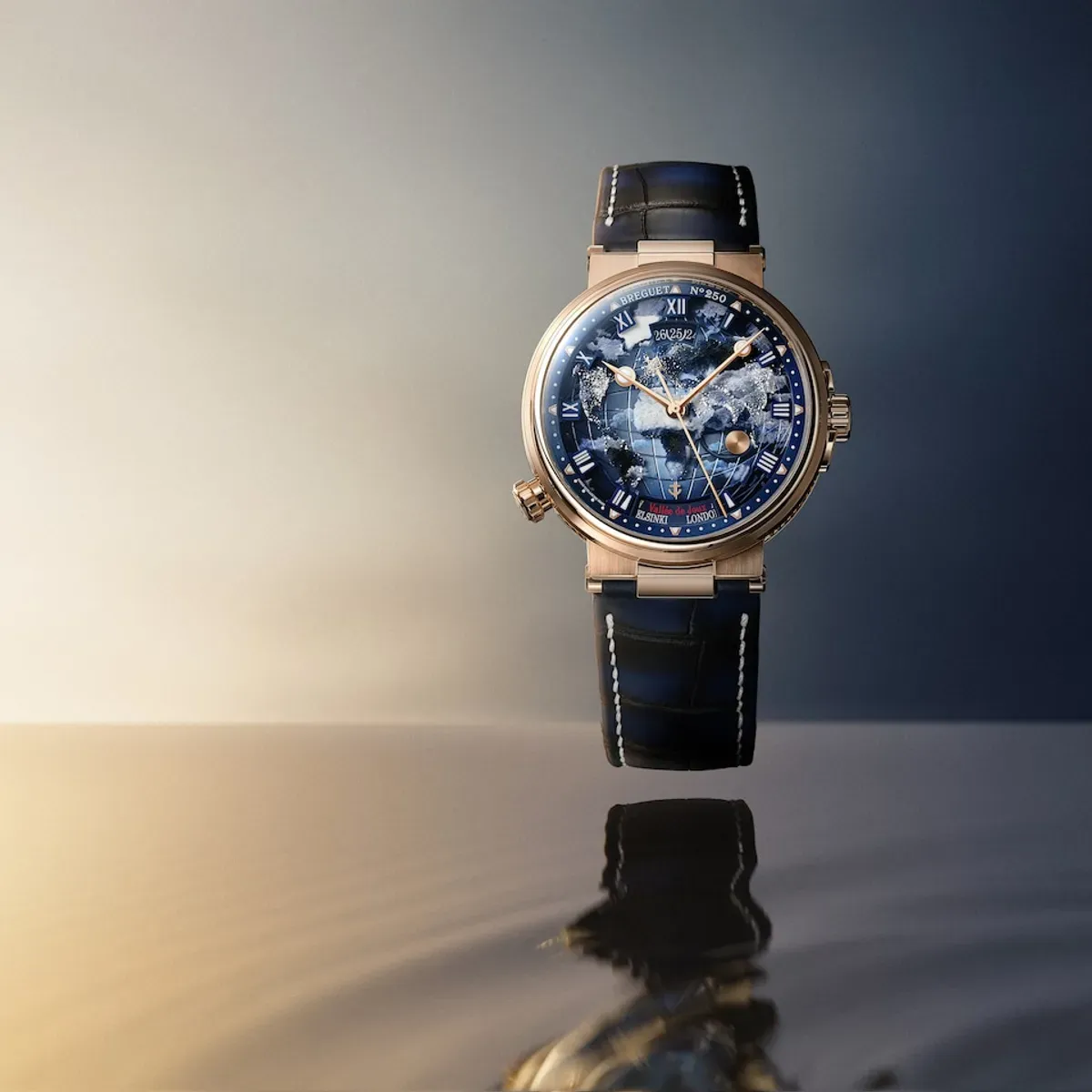
In 1810 he began what is generally recognized as the first wristwatch, commissioned by Caroline Murat, Queen of Naples. In 1815 he was appointed chronometer maker to the French Royal Navy, the origin of today's Marine collection. He died in 1823 as the most celebrated watchmaker who ever lived.
The firm passed through the Breguet family and successive owners, spending much of the 20th century as a small prestige name. The Chaumet brothers, then Investcorp, rebuilt it before the Swatch Group bought Breguet in 1999. Nicolas G. Hayek personally directed its revival until his death in 2010, concentrating production in L'Abbaye in the Vallée de Joux.
The Inventor's Catalog
No other brand's founder owns so much of the mechanical watch. Breguet invented the pare chute shock protection around 1790, the Breguet overcoil hairspring in 1795, and patented the tourbillon on 26 June 1801. His perpétuelle self winding watches, the gong spring that made slim repeaters possible, and the souscription single hand watches each reshaped the craft.
He also invented brand security: the secret signature, engraved on the dial and visible only at an angle, fought the counterfeiters his fame attracted. Every watch was numbered and recorded, and the surviving registers still authenticate pieces two centuries later. The company can document its own history better than almost any luxury house in any industry.
Design Language: The Most Copied Dial in History
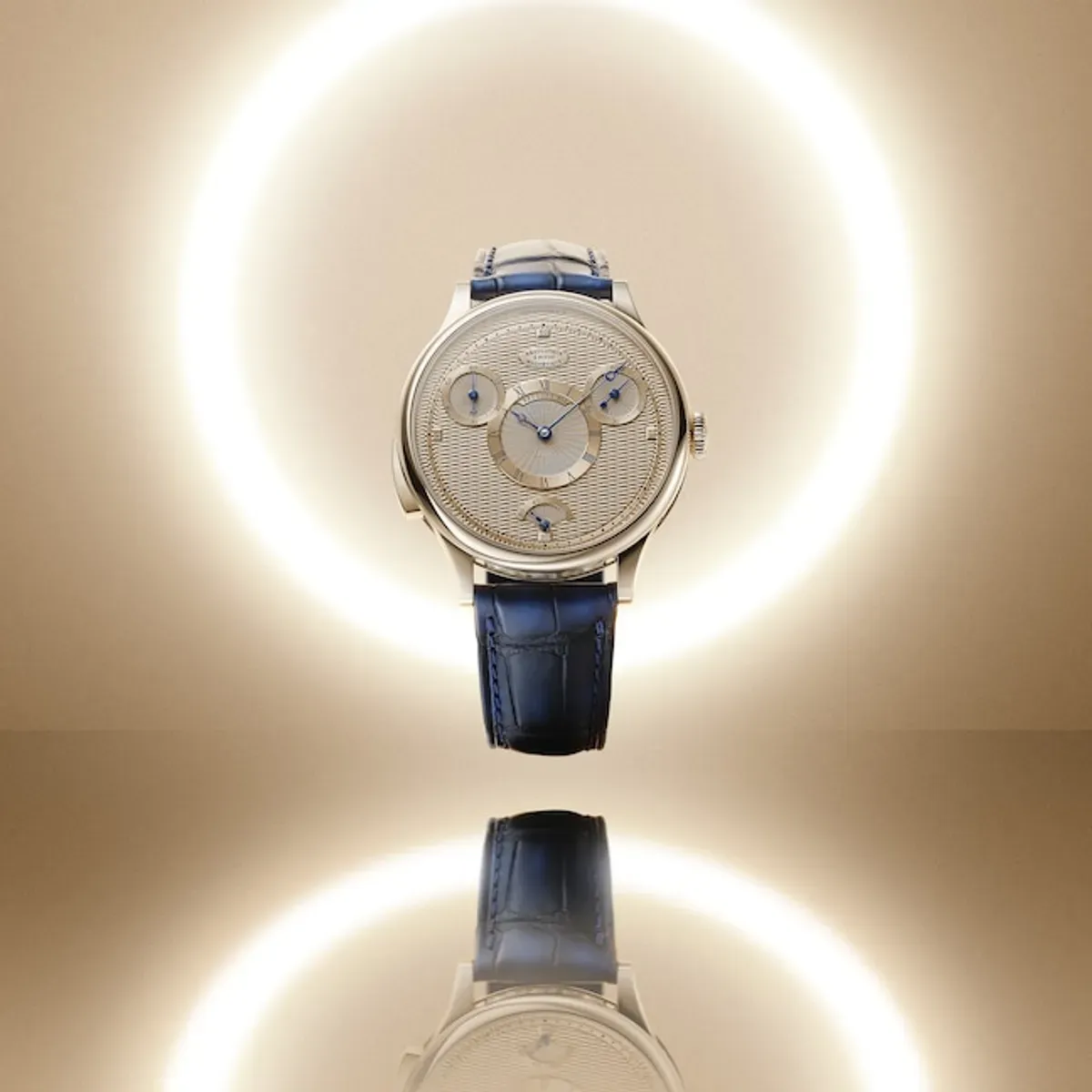
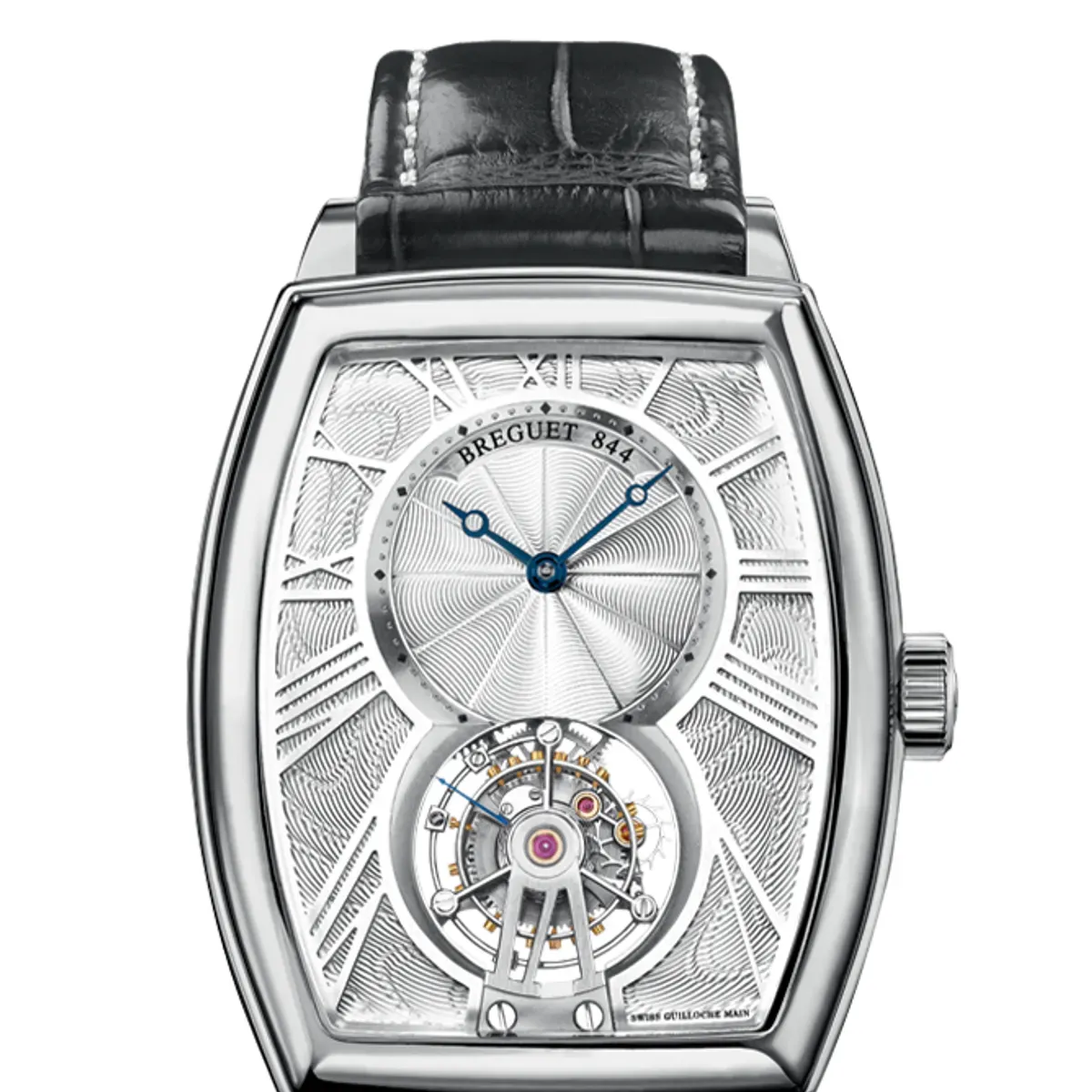
Breguet codified a visual grammar the whole industry borrowed. Hollow tipped Breguet hands and slim Breguet numerals are generic terms watchmakers everywhere use without thinking of their source. Hand turned guilloché dials, coin edge case bands, and welded straight lugs complete the signature.
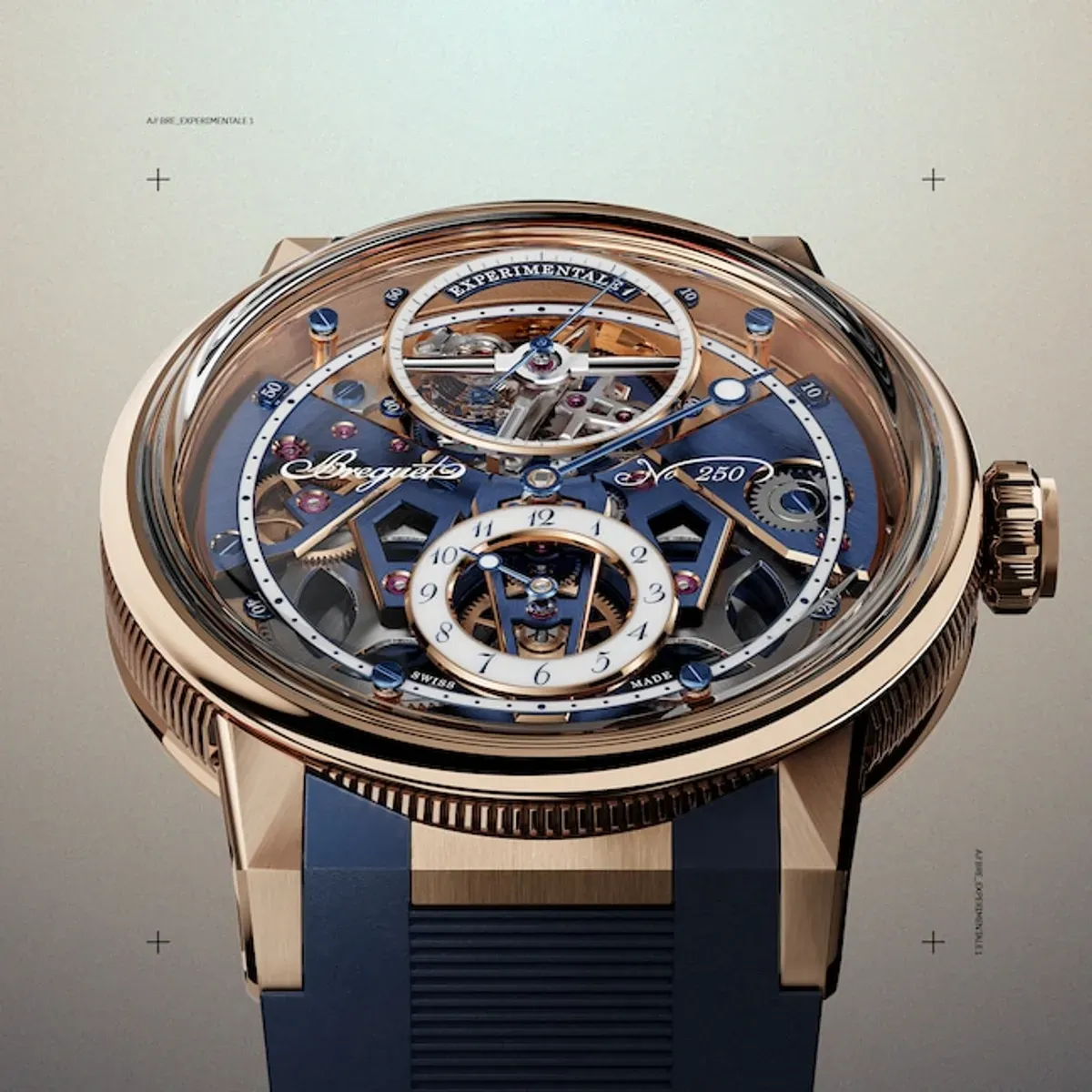
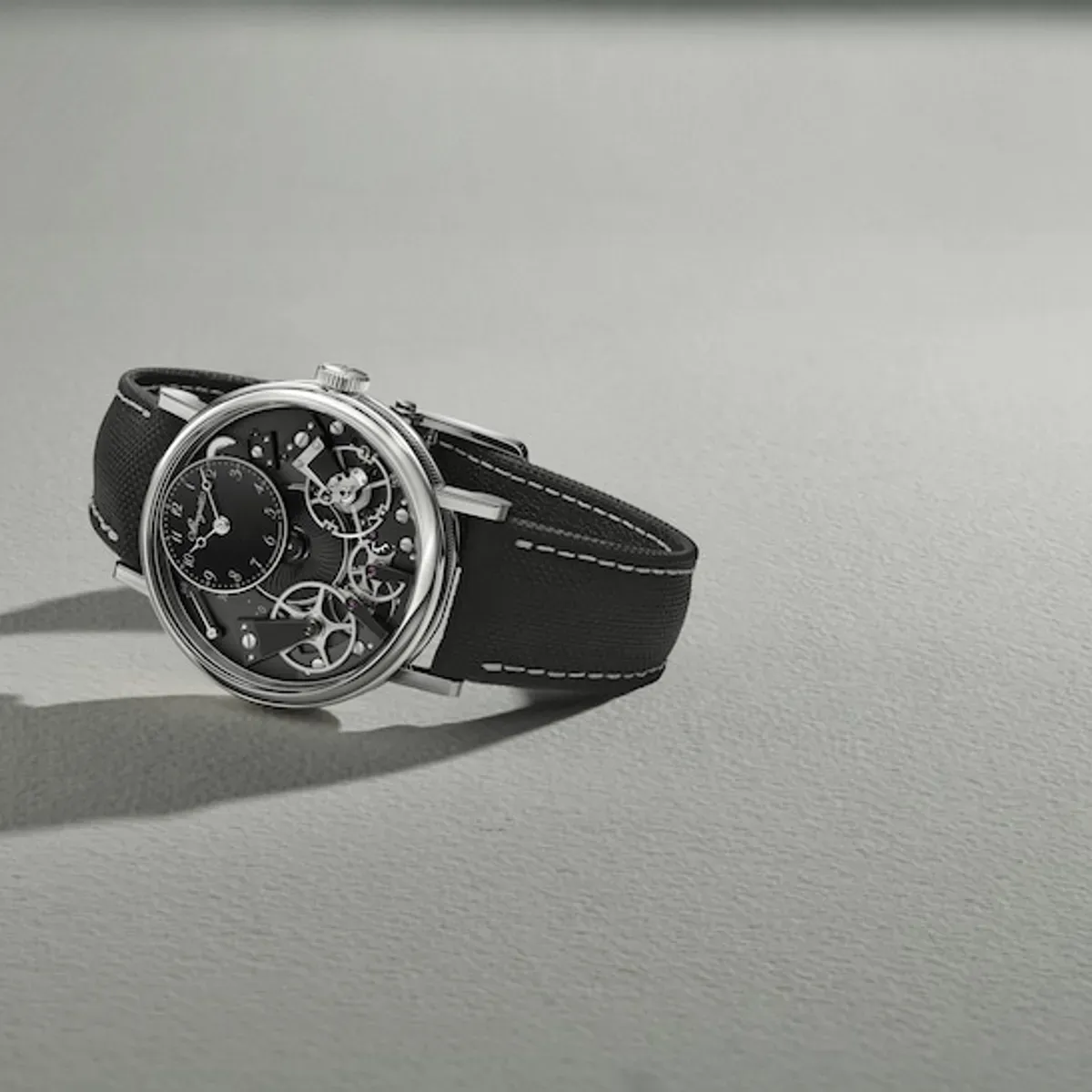
The modern Classique line keeps these codes almost unchanged, and the Tradition line of 2005 inverted them, putting the pare chute and exposed gear architecture of the old souscription watches on the dial side. It was the rare heritage brand design that felt radical. Silicon hairsprings and escapements run through the catalog, marrying the founder's obsessions to current technology, including the 10Hz Classique Chronométrie that won the Aiguille d'Or in 2014.
The Marie Antoinette
In 1783 an admirer of the queen commissioned the most complicated watch possible, with no cost limit. No. 160, finished in 1827 after both the queen's and Breguet's deaths, contained every complication then known in gold, sapphire, and rock crystal. It became the most famous single watch in the world.
Stolen from a Jerusalem museum in 1983, it stayed missing for over two decades before resurfacing in 2007. Meanwhile Nicolas G. Hayek had ordered a reconstruction from archives alone, delivered in 2008 as No. 1160, cased with a presentation box carved from an oak that grew at Versailles. The episode captures the brand perfectly: unmatched history, theatrically honored.
Modern Era and the 250th Anniversary
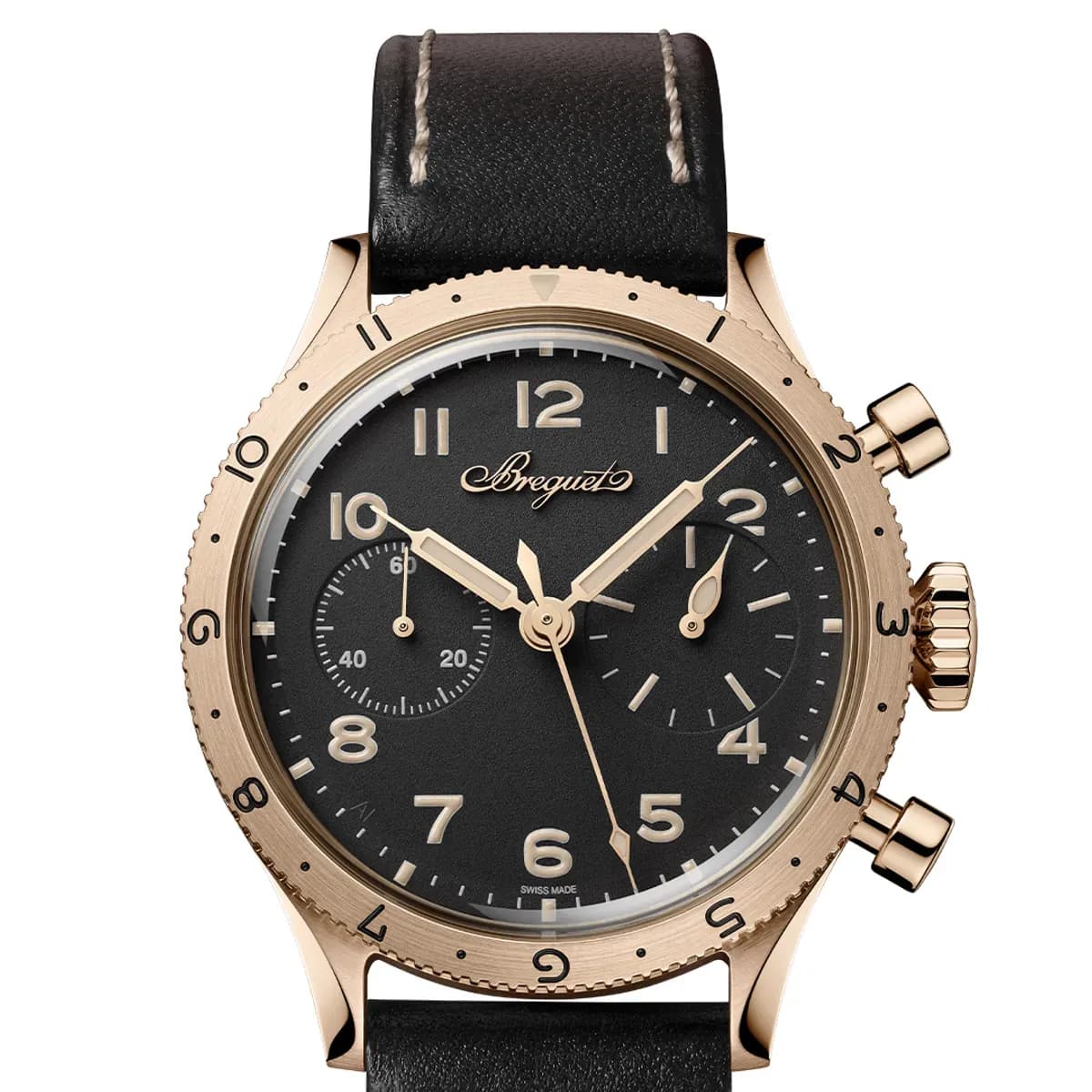
Under the Swatch Group, Breguet holds the group's haute horlogerie summit alongside Blancpain, with vertical movement supply through Nivarox and Frédéric Piguet infrastructure. The Type XX aviation chronograph, born from 1950s French air force contracts, was relaunched in 2023 to strong reviews. A new CEO, Gregory Kissling, arrived in 2024 with a brief to sharpen the range.
The 250th anniversary in 2025 brought the single hand Classique Souscription 2025, a deliberate return to the founder's most democratic idea. Collectors read it as a statement of renewed seriousness. The auction market, where great vintage Breguet trades strongly, is watching whether the modern brand converts.
Model lineup
| Collection | Identity | Highlights |
|---|---|---|
| Classique | The founder's codes | Guilloché dials, Breguet hands and numerals, ultra thin perpetuals |
| Tradition | The radical heritage line | 2005 exposed souscription architecture, retrograde and tourbillon versions |
| Marine | The modern sports face | Rooted in the 1815 Navy appointment, bold contemporary styling |
| Type XX | The aviator | French air force chronograph lineage, relaunched 2023 |
| Reine de Naples | The feminine icon | Oval homage to the 1810 first wristwatch |
| Classique Complications | The summit | Double tourbillons and grande complications |
Why it stands out
- The inventor's legacy. Tourbillon, overcoil, pare chute, and the first wristwatch all trace to one founder, a record no rival approaches.
- Dial and hand craft. Hand guilloché and the most imitated design codes in horology remain executed at the source.
- Archival authority. Two centuries of numbered registers give provenance power over its own history few brands possess.
- Technical continuity. Early and deep silicon adoption, including 10Hz chronometry, honors the founder by improving on him.
- Royal provenance. Marie Antoinette, Napoleon, and the Queen of Naples are documented clients, not marketing legends.
Weaknesses
- Recognition gap. The public barely knows the name that invented the tourbillon, while Rolex and Patek absorb the prestige spend.
- Dated perception. Classical sizing, coin edges, and Roman formality read as old fashioned to younger money.
- Soft secondary market. Modern references depreciate steeply, a painful contrast with the strength of vintage Breguet at auction.
- Strategic drift. Frequent repositioning inside the Swatch Group left the catalog broad but the message blurry.
- Shadow of the founder. The brand's own history sets a bar so high that every modern release risks feeling like a footnote.
Summary
Breguet owns the deepest intellectual legacy in watchmaking, visible every time any brand fits an overcoil or carves a tourbillon into a dial. The modern company executes that legacy with real craft, honest movement work, and the industry's best archive. What it has not done is convert history into contemporary desire, and the resale numbers say so plainly. For the informed buyer that failure is the opportunity: nowhere else does this much horological substance trade at this much of a discount to its own importance.